
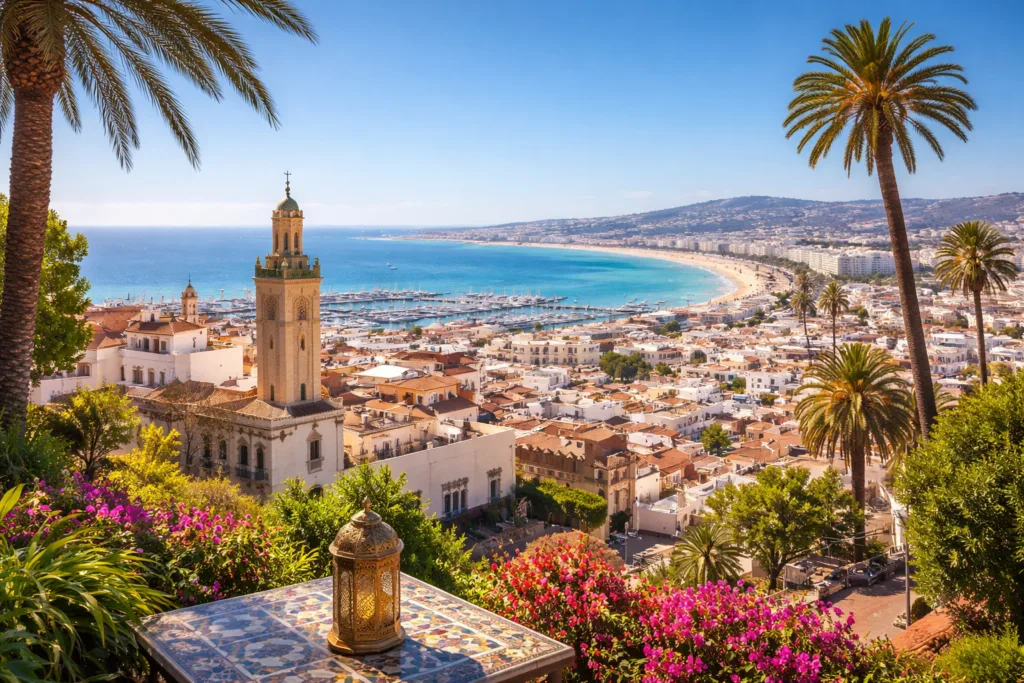
Choosing the best time to visit Morocco is less about finding one “perfect” month and more about matching the season to the experience you want. This is a country of sharp contrasts: Atlantic beaches, snow-dusted mountains, imperial cities, fertile valleys and Saharan dunes can all sit on the same itinerary. A brilliant spring city break in Marrakech does not feel the same as a summer week in Agadir, and a dreamy desert camp in October is a very different experience from the same trip in July.
This updated guide is designed for international travelers who want practical, realistic planning advice before booking. You will find a clear season-by-season breakdown, destination-specific tips, packing guidance and a quick planner for different travel styles. It also incorporates practical information drawn from official Moroccan sources, including the Moroccan National Tourist Office and Morocco’s Directorate General of Meteorology, so the advice stays grounded in how Morocco’s regions actually behave across the year.
| Travel goal | Best time | Why it works | Watch out for |
|---|---|---|---|
| Classic first trip: cities, culture, day trips | March to May, September to November | Balanced temperatures, easier sightseeing, good conditions for medinas and gardens | Holiday periods can raise prices |
| Sahara desert adventure | March to May, late September to November | Milder days and more comfortable nights | Summer heat can be intense; winter nights can be cold |
| Beach holiday and surf | May to September on the coast; shoulder seasons for surf | Atlantic breeze softens the heat; beach towns stay lively | Wind can be strong in places such as Essaouira and Dakhla |
| Atlas Mountains hiking | April to June, September to October | Good trekking conditions and clearer access to high trails | Snow, storms and sudden cold snaps in winter and at altitude |
| Lower crowds and value | Late autumn and winter, outside festive peaks | Better hotel deals and quieter monuments | Cool evenings, shorter days, possible mountain weather disruptions |
Why timing matters more in Morocco than many travelers expect
Morocco is often described as a year-round destination, and that is true in broad terms. The detail that matters is that “year-round” does not mean the same thing everywhere. The coast can feel gentle and breezy while inland cities grow hot, mountain villages can see snow while southern oases enjoy bright winter days, and the desert can swing from pleasant golden mornings to punishing midsummer heat.
That contrast is exactly what makes planning so important. If your dream trip includes wandering through the medina in Fes, sipping mint tea on a rooftop in Marrakech, hiking through the Atlas and sleeping under Saharan stars, shoulder season is usually the sweet spot. If your plan is mainly beach time, surfing and ocean views, summer can be excellent on the Atlantic coast. If you care most about lower prices and smaller crowds, winter deserves serious attention.
Source note: this guide was updated using practical travel guidance from the Moroccan National Tourist Office and climate and vigilance information published by Morocco’s Directorate General of Meteorology.
Morocco’s main climate zones at a glance
The first rule of Moroccan trip planning is to think in regions, not just in months. The official Moroccan National Tourist Office describes Morocco as a land of contrasts shaped by the Mediterranean in the north, the Atlantic to the west and the Rif and Atlas mountain chains across the country. That mix creates several travel climates inside one destination.
Atlantic and Mediterranean coasts
Coastal Morocco is the easiest part of the country to visit in warm weather. Places such as Agadir, Taghazout and Essaouira benefit from ocean influence, which usually keeps temperatures more manageable than in inland cities. This is one reason beach holidays, surf trips and laid-back summer escapes work so well along the coast. According to the official tourism board, Agadir enjoys around 300 days of sunshine each year, which helps explain its enduring appeal for sun-seeking travelers.
Imperial cities and inland plains
Marrakech, Fes, Meknes and much of inland Morocco reward visitors in spring and autumn. These cities are rich in architecture, museums, souks, gardens and day trips, but they can feel tiring when the heat rises. In summer, sightseeing is still possible, yet your best hours shift early in the morning and after sunset. In winter, the same cities become much more comfortable for long walks, though nights can feel noticeably cold.
Atlas Mountains
The mountains are not just “a bit cooler.” They are their own world. Elevation changes everything: temperatures drop, weather shifts fast and winter conditions can become serious. Morocco’s Directorate General of Meteorology regularly issues snow, wind and cold alerts for mountain provinces, which is why mountain travel should always be planned with extra flexibility. If your trip includes the High Atlas, valleys around Imlil or higher-elevation areas near Ifrane, treat the forecast as part of your itinerary, not an afterthought.
Sahara and pre-desert regions
The desert is magical, but timing matters. Official Moroccan tourism guidance points clearly toward spring and autumn as the best seasons for venturing into the Sahara. This is when camel rides, desert camps and long road journeys into Merzouga or surrounding areas are far more comfortable. Summer can be extreme, while winter often surprises travelers with cold desert nights. If the desert is the emotional centerpiece of your trip, plan around it first and fit the rest of Morocco around those dates.
The best time to visit Morocco by season
Spring: March to May
For many travelers, spring is the overall winner. Landscapes feel greener, days are usually bright without being oppressive, and the country opens up beautifully for mixed itineraries. This is the season when a classic route such as Casablanca, Rabat, Fes, Marrakech and the Sahara makes the most sense. Gardens are at their prettiest, urban walking is pleasant, and mountain foothills look fresh after the wetter part of the year.
Spring is especially strong for first-time visitors because it gives you the widest margin for error. You do not have to design every day around heat, and you are less likely to face the access issues that winter can bring in mountain areas. If you want one easy answer to the question “When should I go to Morocco?”, spring is usually it.
Summer: June to August
Summer is best approached selectively. It is excellent on parts of the coast and less appealing for heavy inland sightseeing. Agadir, Taghazout, Essaouira and some northern coastal areas are attractive at this time because ocean air softens the heat. Beach days, surfing, seafood lunches and sunset strolls work wonderfully. Families on school holidays also appreciate the lively atmosphere.
Inland cities are another story. Marrakech and Fes can feel exhausting in peak heat, especially for travelers hoping to spend full afternoons in old medinas. Desert trips also become harder to enjoy in high summer. This does not mean you must avoid Morocco in summer, only that you should build the right kind of trip: coast first, city breaks shorter, and outdoor exertion kept to early hours.
Autumn: September to November
Autumn is arguably spring’s rival for the title of best overall season. September can still feel summery, especially early in the month, but by October and November many routes become wonderfully balanced again. This is one of the best windows for desert travel, cultural touring and active travel combined. It is also a strong season for photographers because the light is soft, skies are often clear and popular places feel slightly calmer than in the busiest spring periods.
If your dream Morocco trip includes medinas, riads, scenic road journeys and a desert camp, autumn is a superb choice. It is also a smart period for couples and independent travelers who want good conditions without peak-summer beach crowds.
Winter: December to February
Winter in Morocco is far more varied than many people expect. Coastal and southern areas can still be very pleasant by day, while the Atlas may see heavy snowfall and inland nights turn crisp. The Directorate General of Meteorology has documented significant winter snow episodes in the Atlas, which is a reminder that Morocco is not “warm everywhere” simply because it is in North Africa. That said, winter can be a brilliant time for city travel, lower crowds and good-value stays in many destinations.
If you are comfortable packing layers, winter offers a quieter and often more atmospheric Morocco. Rooftop terraces still work in the sun, museum visits are easier, and popular medinas feel less frantic. It is also a practical season for travelers who care more about culture and value than beaches and long mountain hikes.
Best time to visit Morocco by travel style
For a classic first-time itinerary
Choose spring or autumn. These seasons give you the best chance of enjoying cities, scenic transfers and one or two outdoor highlights without weather dominating every decision. They are ideal for travelers following a broader Morocco trip itinerary rather than a single-destination holiday.
For the Sahara desert
Go in spring or from late September through November. That is the safest planning rule for comfort. If desert landscapes are your priority, pair this page with our guide on the closest gateway to the Sahara so you can choose the most practical route.
For beaches, surfing and ocean weather
Late spring through early autumn is excellent for general beach time, while shoulder seasons often suit travelers who care more about surf conditions than tanning weather. If you are building a coast-focused trip, combine this guide with our advice on what to wear surfing in Morocco.
For hiking and mountain scenery
April to June and September to October are usually the smartest windows. Trails are more accessible, conditions are generally friendlier than in winter, and the heat is not as draining as high summer. If mountains are central to your trip, our article on the best time to climb the Atlas Mountains goes deeper.
For lower prices and fewer crowds
Look at late autumn, winter and the edges of the shoulder seasons. You may sacrifice ideal beach weather or some mountain access, but you often gain better hotel value, quieter historic sites and a more relaxed experience overall.
A simple month-by-month planner
- January–February: Best for quieter cities, lower crowds and winter sunshine in some southern areas; less ideal for high mountains and some desert nights.
- March: A strong all-rounder for cultural routes, gardens and mixed itineraries.
- April–May: Peak planning season for many travelers because conditions are excellent across much of the country.
- June: Good transition month; inland warmth rises, while the coast remains appealing.
- July–August: Best for Atlantic beach towns and coastal holidays; less comfortable for inland sightseeing and desert travel.
- September: Summer feel with improving conditions for broader itineraries.
- October–November: One of the best windows for cities, road trips and the Sahara.
- December: Great for festive city breaks, value-conscious travel and sunny daytime sightseeing with cooler evenings.
What to pack for each season
The smartest Morocco packing strategy is layering. Even when daytime weather feels warm, mornings, evenings and transport days can shift quickly, especially if your route includes elevation changes. One suitcase for Agadir is not the same suitcase for Marrakech plus Imlil plus Merzouga.
- Spring and autumn: light layers, sunglasses, a sun hat, comfortable walking shoes, a light jacket and one warmer layer for evenings.
- Summer: breathable clothing, strong sun protection, a refillable water bottle, sandals plus walking shoes, and modest lightweight pieces for city visits.
- Winter: a proper jacket for evenings, knitwear or fleece, closed shoes, a scarf, and extra layers if mountains or desert nights are on the plan.
- Year-round essentials: sunscreen, lip balm, a power bank, a small day bag and clothes that respect local customs while staying comfortable.
For travelers wondering how modest to dress, Morocco is used to visitors, but respectful clothing still goes a long way in medinas, religious areas and smaller towns. Loose, breathable outfits are usually the easiest choice because they work across weather and culture at the same time.
Practical timing tips from official Moroccan sources
One practical lesson from Morocco’s official meteorological services is simple: always check conditions close to departure, especially if your itinerary includes beaches, mountains or long road transfers. The Directorate General of Meteorology runs both general vigilance and marine vigilance systems covering heavy rain, thunderstorms, heat waves, cold waves, snow and strong winds. That is useful for hikers, drivers, desert travelers and anyone planning time on the Atlantic coast.
Another useful point is seasonality of rainfall. Official climate information from Morocco’s meteorological authorities shows that most of the country’s precipitation generally falls between September and May. For travelers, that means greener landscapes and fresher spring scenery often come after the wetter part of the year, while late summer tends to be drier in many regions.
Finally, timing is not only about weather. The Moroccan National Tourist Office notes that religious holidays follow the lunar calendar, so the timing of Ramadan changes from year to year. Morocco remains rewarding during Ramadan, but daily rhythms shift, some businesses run shorter daytime hours and evenings become more animated. If cultural atmosphere matters to you, this can be a feature rather than a drawback. You simply need to plan with awareness.
Conclusion: so when should you visit Morocco?
If you want the most versatile answer, choose spring or autumn. They offer the best balance for first-time travelers who want cities, scenery, comfort and flexibility. If you want beach weather, summer on the coast is a smart bet. If you want lower prices and lighter crowds, winter can be excellent with the right layers and realistic expectations. And if the Sahara is non-negotiable, build your trip around spring or autumn first.
The best time to visit Morocco is the time that fits your version of Morocco. Plan by region, travel style and comfort level, not by one nationwide temperature average. Do that, and the country becomes much easier to enjoy on its own terms.
If this guide helped you plan your trip, subscribe to our newsletter by entering your email address in the designated field at the bottom of this page. You will get more practical Morocco travel tips, destination ideas and seasonal planning advice delivered straight to your inbox.
FAQ
What is the overall best time to visit Morocco?
For most international travelers, the best overall time to visit Morocco is spring from March to May and autumn from September to November. These seasons usually offer the best balance for city sightseeing, road trips, desert excursions and mountain scenery.
Is summer a bad time to visit Morocco?
Not at all, but it depends on where you go. Summer works very well for Atlantic coastal destinations such as Agadir, Taghazout and Essaouira. It is less comfortable for long days of sightseeing in inland cities and for classic Sahara desert trips.
When is the best time to visit the Sahara Desert in Morocco?
The most comfortable periods are usually spring and autumn, especially March to May and late September to November. These months are generally better for camel rides, camp stays and long drives into desert regions.
Can I visit Morocco in winter?
Yes. Winter is a good time for travelers who want fewer crowds, better value and comfortable daytime sightseeing in many cities. Just remember that evenings can be cold, mountain areas can get snow, and desert nights may be much colder than expected.
What is the best time for hiking in the Atlas Mountains?
April to June and September to October are usually the best windows for hiking because conditions are often more stable than in winter and less punishing than peak summer. Always check official weather and vigilance bulletins before heading into mountain areas.
Does Ramadan affect the best time to visit Morocco?
Ramadan does not make Morocco off-limits, but it does change the rhythm of the day. Some places operate differently during daylight hours, while evenings feel especially lively. Travelers who enjoy cultural atmosphere may love it, but those wanting a standard daytime routine should plan carefully.
What should I check just before traveling?
Check the weather forecast, any official vigilance alerts, and your region-specific itinerary. This matters most for mountain roads, desert excursions, coastal activities and winter travel. Morocco’s weather can vary sharply between regions, so a countrywide average is not enough for final trip planning.