
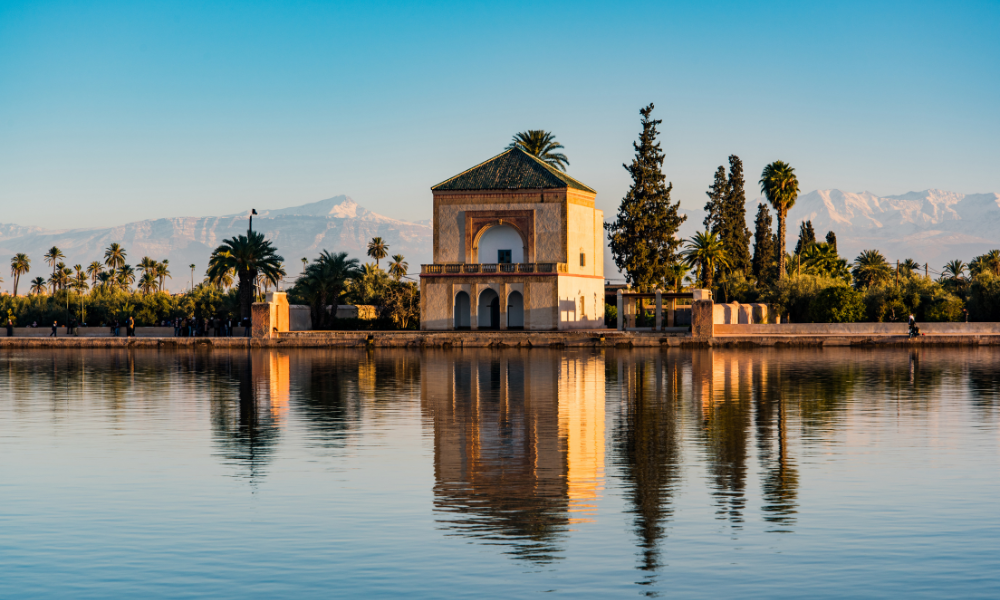
Marrakech is a city that captivates the senses. Fragrant spices hang in the air, vibrant colors dazzle from every stall and mosaic, and the haunting call to prayer echoes off ancient walls. In this guide we dive deep into Morocco’s Red City, offering practical advice for first‑timers, solo travelers, budget and luxury seekers alike. You’ll find safety pointers, insider hacks for exploring the medina, suggestions for authentic experiences, a recommended three‑day itinerary, and unusual adventures you’d never expect. Whether you’re hunting for bargains in labyrinthine souks, sipping mint tea on a hidden rooftop or soaring over the desert at sunrise, let this be your compass to a memorable journey.
Essential Marrakech Travel Tips
Best time to visit
Marrakech enjoys hot summers and mild winters. Mid‑summer temperatures routinely climb above 40 °C, so if you’re not used to extreme heat consider visiting in spring (March–May) or autumn (September–November) when days are warm and evenings cool. Desert excursions still require layers; nights can be chilly even in summer. During Ramadan, many restaurants close during daylight hours, but evening festivities fill the squares. Travelers should pack layers and comfortable clothing: conservative attire such as knee‑length trousers or skirts and covered shoulders is culturally respectful. In the medina, good walking shoes are essential because cobblestones and narrow alleys make high heels impractical.
Neighbourhoods
Marrakech consists of distinct districts. The Medina is the historic heart, a UNESCO‑listed maze of souks, riads and mosques. Staying here places you steps from most attractions and immerses you in traditional Moroccan life, but expect noise and narrow lanes. Gueliz (Ville Nouvelle) offers modern cafés, boutiques and a European feel, while Hivernage houses up‑market hotels, casinos and nightlife. Beyond the city walls lies the Palmeraie, a vast palm grove dotted with resorts and home to camel rides and hot‑air balloon launches. For seclusion, book accommodation in this oasis and hire a driver to shuttle you into town.
Getting around
Marrakech is best explored on foot; the medina is car‑free and its alleys are too narrow for vehicles. From dawn until about 10 a.m. local residents stock up at markets, so it’s crowded with locals early, then more tourist‑heavy later. Embrace the chaos and wander, but drop a pin on your map when you leave your riad so you can navigate back. City buses are reliable and cheap; Alsa’s Bus 19 connects the airport to Djemaa el‑Fna and Gueliz for about 30 dirhams. Metered taxis are regulated, but always agree on a price if the meter isn’t running; typical fares within city limits range from 30–50 dirhams. A new ticket system introduced in 2023 offers set taxi prices (about 80 dirhams during the day and 120 dirhams at night). Ride‑sharing apps such as Roby operate locally and spare you haggling. For longer journeys, hire a licensed driver through your riad, especially when traveling alone.
Money & connectivity
Morocco remains a predominantly cash society. Dirham notes come in various denominations; always carry small bills for tipping and market purchases. Visa and Discover cards are widely accepted at hotels and larger restaurants, but American Express is rarely accepted and ATMs may be scarce outside tourist zones. A local SIM card costs roughly 20 USD for 20 GB of data; eSIMs may not be reliable, so buy a physical SIM at the airport or a telecom shop. Use offline maps (Google Maps or Maps.me) to navigate the medina. When paying in souks, keep cash discreet and never flash a large roll of bills. Tipping is customary: round up taxi fares, leave 10 percent in restaurants and offer small coins to street performers. Always exchange currency at official counters or withdraw from ATMs with secure PIN pads.
Best Marrakech Travel Tips for First‑Time Visitors
Choose your base wisely
First‑timers should stay near Jemaa el‑Fna or in the medina’s central lanes. Although riads around the square are pricier, you’ll appreciate easy access to attractions and the comfort of returning quickly to your room after evenings out. If you’d rather escape the bustle, Gueliz or Hivernage offers modern amenities and quieter nights, but you’ll need taxis or buses to reach the sights.
Plan and book in advance
Popular attractions such as Jardin Majorelle and the Yves Saint Laurent Museum sell timed tickets, and entry numbers are capped; reserve online as soon as your dates are firm to avoid disappointment. The same goes for guided experiences (cooking classes, hammams, desert tours) and restaurants like Nomad and Dar Yacout; tables fill weeks ahead. For your arrival, pre‑book an airport transfer—riads often arrange reliable pick‑ups—or take the airport bus instead of haggling with taxi drivers. Download offline maps and contact your accommodation by WhatsApp if you get lost; medina lanes rarely have street signs.
Learn to haggle politely
Bargaining is part of the Moroccan shopping experience, but treat it as a friendly conversation rather than a battle. Greet the vendor and only negotiate if you’re genuinely interested. Start at 40–50 percent below the asking price, smile and keep the tone light. Never compare prices to those back home or insult the craftsman’s work. When a fair price is reached, thank the seller; paying a small premium for handmade goods supports local artisans.
Dress modestly and be prepared
Cover knees and shoulders to show respect and to minimise harassment. Women should carry a scarf for religious sites; men should avoid sleeveless tops in conservative areas. Sunglasses are useful for averting unwanted eye contact. Pack hand sanitizer and tissues because public toilets may lack soap or paper. Carry bottled or filtered water, as tap water may upset travelers’ stomachs. Always have small change for tipping or bathroom fees.
Cross streets like a local
Traffic in Marrakech can be chaotic. Pedestrians rarely have right of way, so wait for gaps, walk confidently and follow locals as they dart between scooters and donkey carts. Cars seldom stop at pedestrian crossings; raise your hand to signal your intent and avoid sudden movements.
Marrakech Travel Tips for Solo International Tourists
Safety & awareness
Marrakech can be safe for solo travelers if you maintain situational awareness. Petty theft and street harassment occur, particularly toward women. Catcalls, jeering and following are common; they rarely lead to violence but are uncomfortable. Wear a cross‑body bag with a zip and keep valuables in front pockets. Avoid walking alone in unlit areas after dark; instead book trusted taxis through your hotel. Trust your gut—if a situation feels off, move away or ask a shopkeeper for help. Plain‑clothes police patrol tourist areas, and there is a station on Djemaa el‑Fna.
Accommodation & community
Choose riads with 24‑hour reception, secure entry and central locations. Hostels near Jemaa el‑Fna are ideal for meeting other travelers. If you crave privacy, boutique riads in the medina have rooftop terraces and evening meals included. Joining food tours, walking tours or day trips is a great way to make friends and experience the city safely.
Solo communication
Purchase a local SIM to stay connected; WhatsApp is Morocco’s preferred communication tool. Carry a portable power bank and share your itinerary with someone at home. Learn a few Arabic phrases: “La, shukran” (“No, thank you”) politely dismisses faux guides; “Salam alaikum” greets locals warmly. Avoid discussing sensitive topics such as politics or religion.
Essential Safety Tips for Traveling in Marrakech
- Protect your belongings: Pickpockets target crowded buses and markets. Keep wallets in front pockets and use an anti‑theft bag or money belt. Avoid bringing expensive jewelry or cameras unless necessary and store passports in your hotel safe.
- Beware of scams around Jemaa el‑Fna: Restaurants around the square may charge for bread or water or swap menus when it’s time to pay. Agree on prices before ordering, and pay what you expect; if overcharged, calmly place the correct amount and leave.
- Drink bottled water: Locals may drink tap water without issue, but travelers should stick to bottled water even for brushing teeth. Avoid ice in drinks unless you’re certain it’s made with purified water.
- Watch where you eat: Street food is a highlight, but choose stalls where locals eat and where food is prepared fresh. Avoid fresh salads or raw vegetables if you’re worried about hygiene, and choose cooked dishes. Remember that some vendors may present “free” appetizers then add them to the bill.
- Be cautious with “helpful” locals: The medina is confusing and you may encounter unsolicited guides offering directions or to lead you to your hotel. Many expect payment and may take you the long way around. A firm “La, shukran” usually deters them.
- Respect local customs: Dress modestly and avoid public displays of affection. Ask permission before photographing people, and be prepared to tip if they agree. During prayer times, many shops close briefly; use this quiet time to soak in the atmosphere.
- Travel insurance: Morocco is generally safe, but accidents can happen. Invest in comprehensive insurance covering medical emergencies, theft and trip cancellations.
Marrakech Travel Tips for Exploring the Medina
The medina is Marrakech’s soul—a labyrinth of alleyways where every turn reveals a new treasure. Navigating it requires a blend of spontaneity and strategy.
- Embrace getting lost: You will inevitably lose your way, and that’s part of the charm. Hidden gems are found off the main routes, so wander with curiosity but note landmarks.
- Start at a landmark: Begin your explorations at Jemaa el‑Fna, the medina’s beating heart, and fan out from there. Use the towering minaret of Koutoubia Mosque as a compass; it’s visible from most places and helps you find your way back.
- Use offline maps: Paper maps are cumbersome; instead download offline maps on your phone. Drop pins at your riad and major sights to orient yourself.
- Learn key phrases: Basic Darija or French like “Fin…?” (“Where is…?”) and “La rue principale?” (“Main street?”) can help you ask for directions.
- Hire a guide: On your first day, consider a licensed guide to provide context and help you get your bearings. Official guides wear identification; be cautious of unlicensed helpers.
- Beware of unsolicited help: Politely decline offers from strangers to lead you somewhere.
- Dress respectfully and stay hydrated: Conservative dress is appreciated. The medina can be hot and overwhelming, so take breaks for mint tea on a rooftop and drink plenty of water.
- Visit a hammam: After a long day, reward yourself with a traditional hammam. Communal baths offer deep cleansing with black soap and exfoliating gloves. Bring your own toiletries and prepare for a thorough scrub.
- Mind prayer times and trust your instincts: Shops pause during calls to prayer, giving you a chance to enjoy the atmosphere. If something feels off, move to a busier area.
Marrakech Travel Tips for Navigating Souks and Markets
The souks of Marrakech can be intoxicating and intimidating. Here’s how to enjoy the experience without stress:
- Haggle with grace: Start with a greeting and smile. Offer half the initial price and work toward a middle ground. Don’t feel obliged to buy if you can’t agree; simply thank the vendor and walk away.
- Support artisans: Whenever possible, purchase directly from artisans rather than middlemen. This ensures fair compensation and often yields higher‑quality goods.
- Keep small change: Vendors may not have change for large notes, and it’s useful for tipping musicians or restroom attendants.
- Beware of scams: Some stalls offer “free” samples or tea then pressure you to buy. If you don’t want the item, politely decline. Avoid restaurants around Jemaa el‑Fna that overcharge or swap menus. Photograph menus to prove agreed prices.
- Choose your stall: Look for stalls busy with locals and high turnover, especially for cooked foods. Avoid raw salads or unrefrigerated meat.
- Respect photography etiquette: Always ask before photographing people or their wares, and be ready to tip if they agree. Note that photographing palaces or police may be prohibited.
Marrakech Travel Tips for Budget‑Friendly Trips
- Stay central and walk: Base yourself in the medina so that major sites are within walking distance. This saves on taxis and allows you to soak up the atmosphere.
- Skip hotel pools: Rooms with pools cost more; instead buy a day pass at a nearby hotel or country club for 150–1000 dirhams. The Beldi Country Club offers lush gardens and a refined hammam for a day of relaxation.
- Use public transport: Alsa’s Bus 19 is the cheapest airport transfer (about 30 dirhams round‑trip). Roby ride‑sharing can also reduce haggling stress. Walk whenever possible; download offline maps to avoid paid guides.
- Buy combined tickets: The Yves Saint Laurent Museum and Jardin Majorelle offer a combined ticket that saves money. Tickets for Bahia Palace and Saadian Tombs cost around 10 dirhams each and may be cash only, so carry coins.
- Join group tours: Hiring a local guide can help you navigate the souks and find deals. Private guides cost around 350 dirhams per adult, but group tours are cheaper. Food tours at Djemaa el‑Fna provide hearty meals at street‑food prices.
- Swap the Sahara for Agafay: For desert vibes without the cost of a multi‑day Sahara excursion, visit the nearby Agafay Desert—less than an hour from Marrakech. Sunset camel rides and dinner in a Berber tent offer a budget‑friendly alternative.
Marrakech Travel Tips for Luxury Travelers
If you’re seeking indulgence, Marrakech delivers world‑class experiences.
- Spa rituals and hammams: The Royal Mansour Spa and La Sultana offer lavish hammams with marble steam rooms and soothing rituals. The Beldi Country Club blends tradition with luxury in a rose‑filled garden. Expect deep exfoliation with black soap, ghassoul clay masks and rosewater rinses.
- Sunrise hot‑air ballooning: Rise before dawn for a hot‑air balloon ride over Marrakech and the Atlas Mountains. Flights include a gourmet Berber breakfast and optional champagne. Watching the sun turn the desert gold from high above is unforgettable.
- Private desert and mountain excursions: Book bespoke trips to the Agafay Desert or Atlas Mountains. Ride horses or camels, practice sunset yoga, savor lunch in a Berber tent and stargaze with zero light pollution. Private drivers ensure comfort and flexibility.
- Decadent dining: Reserve a table at Dar Yacout or La Maison Arabe for multi‑course feasts in candlelit courtyards. Rooftop terraces at Nomad, El Fenn and L’Mida pair inventive dishes with panoramic views. Dinner shows at Comptoir Darna and Jad Mahal combine live music and belly dancing.
- Luxury riads and villas: Splurge on a private riad with rooftop pools and dedicated staff. Many offer on‑site hammams, gardens and cooking classes, creating a personal oasis amid the chaos.
Insider Marrakech Travel Tips for Authentic Experiences
Beyond the famous landmarks lies a more intimate side of Marrakech.
- Visit local bakeries at dawn: Follow the scent of fresh bread to neighborhood ovens where families drop off dough to be baked. Watching the community’s morning ritual while sipping mint tea is a slice of daily life.
- Explore weekly markets: Venture beyond the tourist souks to neighbourhood souks such as Bab El Khemis on Thursdays or the Mellah’s Spice Market. Here you’ll find artisans crafting woodwork, metal lanterns and tadelakt plaster. Consider joining a workshop to learn the ancient tadelakt technique or try your hand at rug‑weaving.
- Sip tea with a Berber family: On day trips to the Atlas Mountains, guides often arrange tea at a family home—a chance to share stories and learn about Berber culture.
- Catch a Gnawa music night: Traditional Gnawa music mixes hypnotic rhythms with call‑and‑response chanting. Café Clock and other venues host intimate performances; in Djemaa el‑Fna you’ll also hear Gnawa drums reverberating late into the night.
- Tour Marrakech by sidecar: For a truly unique experience, hop into a vintage sidecar with Insiders Experience. A local guide zips through the medina’s warren of lanes and the mellah, sharing stories and pointing out hidden gems. You’ll also visit the Jewish Quarter and learn about its history, then ride out to the Palmeraie to see the ancient irrigation tunnels known as khettra.
Marrakech Travel Tips for Cultural Attractions and Landmarks
Koutoubia Mosque
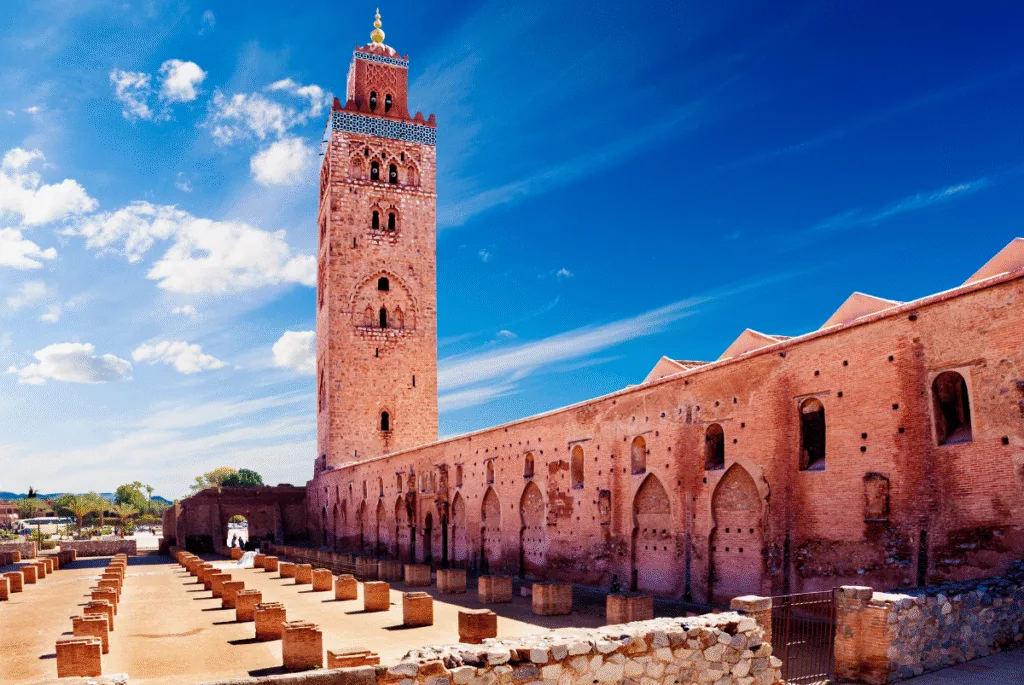
The Koutoubia is Marrakech’s largest mosque and a landmark visible from all over the city. Non‑Muslims are not permitted inside, but it’s a beautiful building to walk around. Its 77‑metre minaret, one of the oldest Almohad minarets remaining, is topped by three copper orbs. At night the tower glows golden, and the call to prayer resonates across the medina. Use the minaret as a reference point when exploring.
Bahia Palace
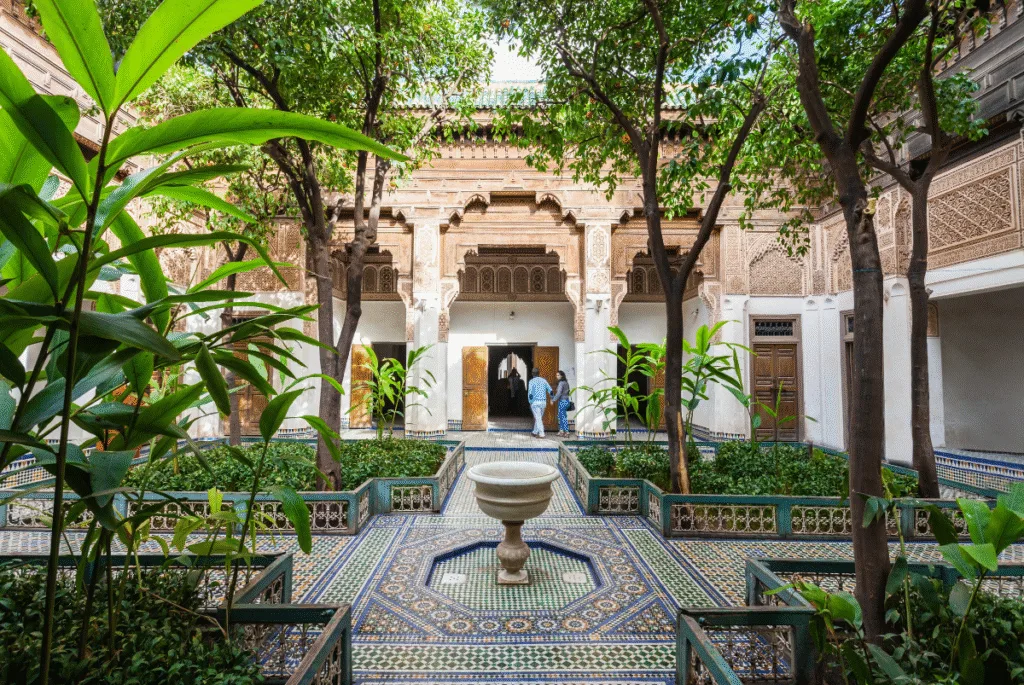
Built in the late 19th century, Bahia Palace showcases exquisite zellij (tilework), carved wood ceilings and tranquil courtyards with fountains and orange trees. Formerly a royal residence, the palace opens daily from 9 a.m. to 5 p.m. and admission costs about 10 dirhams. Arrive before 10 a.m. to avoid crowds and the midday heat. There are no cafés on site, so bring water. You can reach the palace on foot from Jemaa el‑Fna or by bus (Alsa routes 6, 7, 9 or 20).
Saadian Tombs
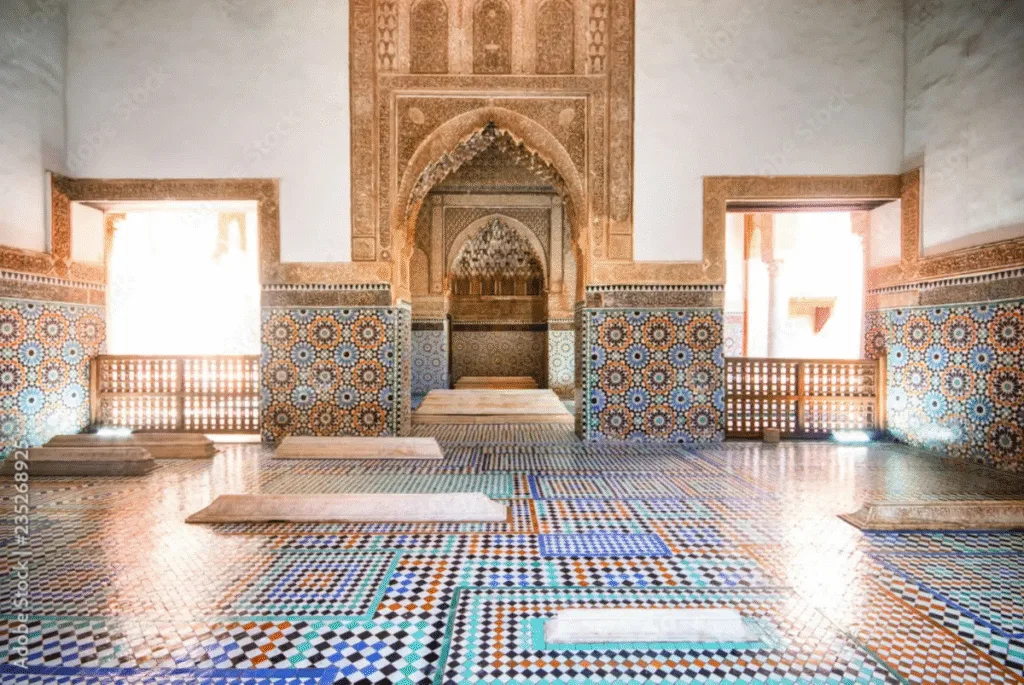
Discovered in 1917, the Saadian Tombs contain ornate chambers where members of the Saadian dynasty were buried. Carved cedar doors and Italian marble columns reflect the sultans’ wealth. The site can be busy; to avoid queues, visit early or late in the day. Admission is paid in cash and you view the interior from doorways.
Ben Youssef Madrasa
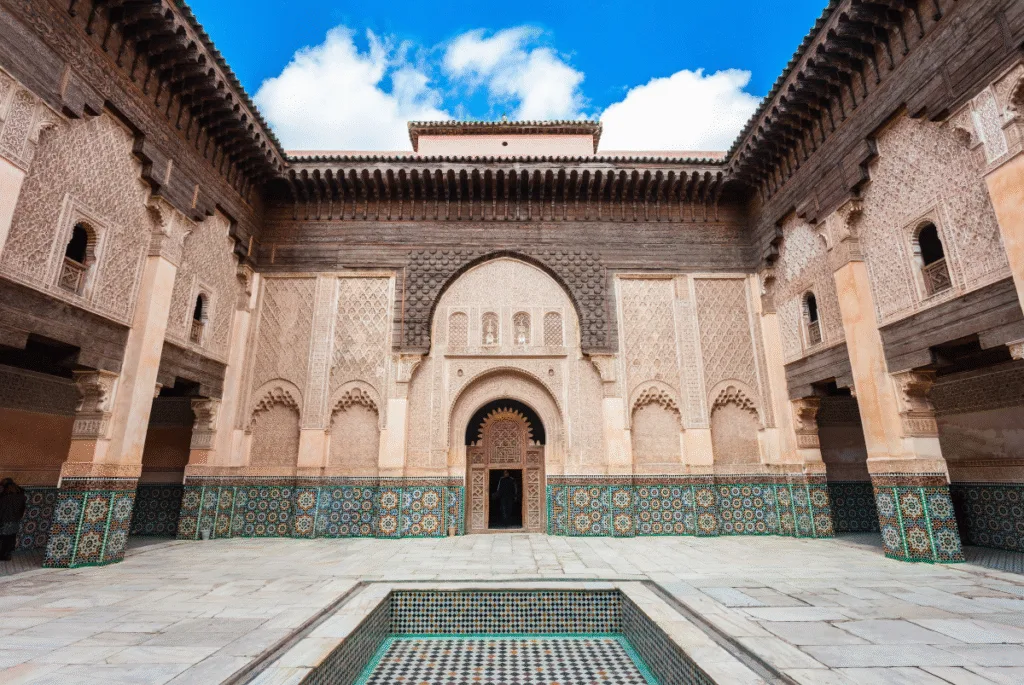
A masterpiece of Moorish architecture, this former Islamic college was once the largest in North Africa. Intricate tilework, cedar ceilings and a serene central courtyard reveal its importance. To enjoy the madrasa without crowds, arrive at opening (9 a.m.)—weekdays are best. Tickets cost around 50 dirhams and are cash‑only. Dress modestly; shoulders and knees should be covered because the site remains a sacred space.
El Badi Palace
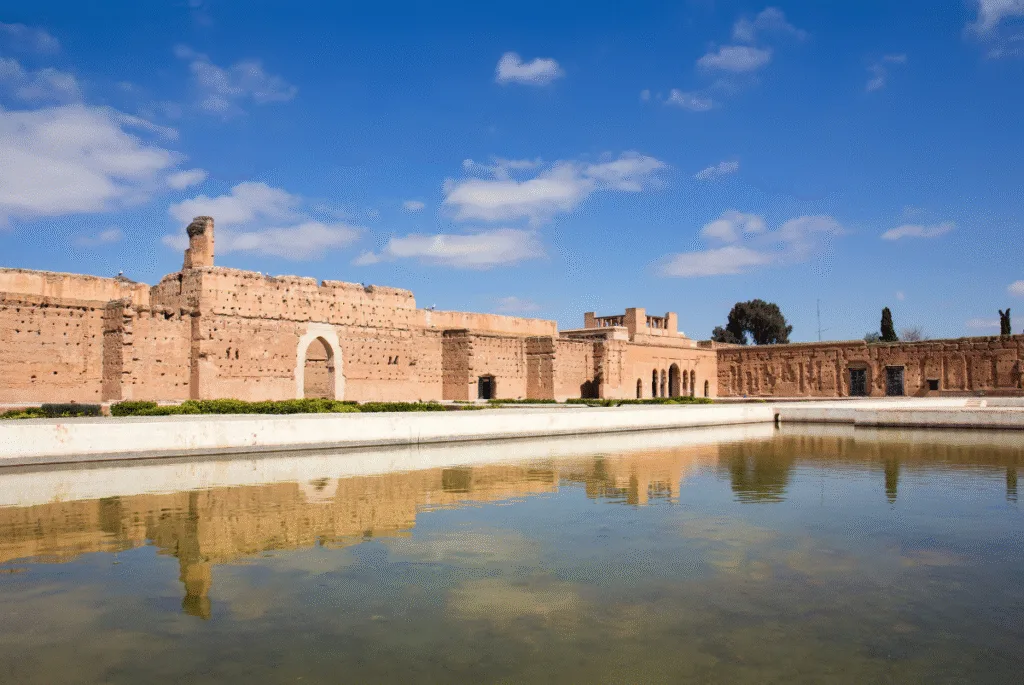
Once one of Morocco’s grandest palaces, El Badi is now a hauntingly beautiful ruin. Built by Saadian Sultan Ahmad al‑Mansur in the 16th century, it boasted more than 300 rooms and sunken gardens. Although stripped of its riches, the massive courtyards and ramparts are still impressive. Arrive early to beat the midday heat and roam the quiet ruins.
Jardin Majorelle and YSL Museum
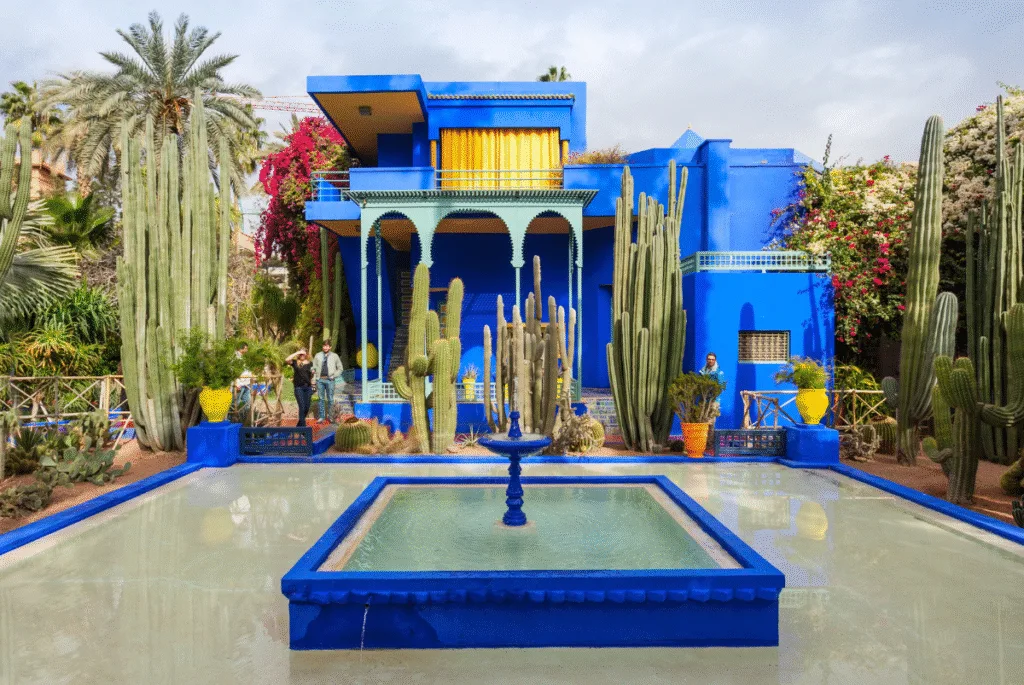
Designed by French artist Jacques Majorelle and later owned by Yves Saint Laurent, this 12‑acre botanical garden is a tranquil escape from the medina. Over 300 plant species thrive here; cobalt‑blue buildings and reflecting pools provide stunning photo backdrops. Entry costs around 100 dirhams. Tickets frequently sell out; book online and combine with the adjacent YSL Museum for savings. Spend an hour strolling through cactus gardens and the Berber Art Museum before returning to the bustle.
Dar el Bacha Musée des Confluences
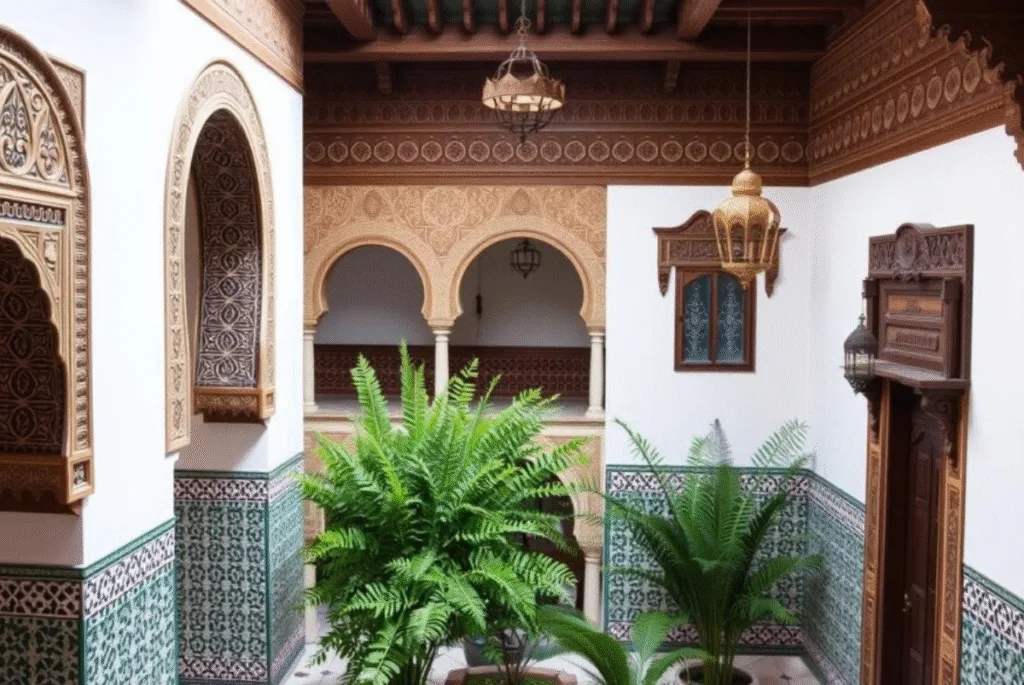
Hidden in a restored palace, Dar el Bacha showcases opulent tilework, painted ceilings and rotating exhibitions. It’s far less crowded than other museums, making it perfect for a peaceful afternoon. Enjoy a coffee at the on‑site Bacha Coffee House, famous for its ornate service and dozens of bean varieties.
Marrakech Travel Tips for Food Lovers and Street Food Tours
Moroccan cuisine is a celebration of Berber, Arab, Andalusian and French influences. Dishes are meant to be shared; eating is a communal affair. Here’s how to savour Marrakech’s culinary delights.
- Sample street food staples: Tagine (slow‑cooked stew), harira (spiced lentil and tomato soup) and fluffy couscous are staples. Street stalls also sell sizzling skewers, crispy msemen pancakes, hearty stews and ubiquitous khobz bread. Sweet dates and mint tea make a perfect end to any meal.
- Take a guided food tour: A food tour immerses you in local cuisine, introduces passionate vendors and reveals culinary secrets. Tours often begin at Djemaa el‑Fna, then dive into the souks to taste slow‑roasted mechoui lamb and tangia, a lamb stew cooked in sealed clay pots. You might sample Atlas‑grown olives, watch artisans flip msemen pancakes and sip harira.
- Be adventurous: You may be offered sheep’s head, sardine kefta sandwiches (hout quari) or camel burgers. Many visitors are surprised to find these dishes delicious. Finish your tour with almond cookies and avocado smoothies.
- Choose stalls wisely: Eat where locals eat and where food is prepared in front of you. Avoid carts selling uncovered cookies or salads. Carry small bills for purchases and tipping performers.
- Avoid tourist traps: Restaurants around Jemaa el‑Fna may inflate prices or charge for bread and water. Check menus, photograph them for reference, and pay only what you agreed.
- Drink bottled beverages: Stick to bottled water and avoid ice. Freshly squeezed juices on the square are tempting; ensure vendors use purified water.
Suggested 3‑Day Marrakech Itinerary (With Options)
Day 1 – Medina Essentials
- Morning: Start at Koutoubia Mosque, enjoying views of the minaret and using it to orient yourself. Walk to Bahia Palace and arrive before 10 a.m. to admire its intricate mosaics without crowds. Nearby, explore the Saadian Tombs, paying cash and viewing the marble chambers from the doorways.
- Lunch: Choose a rooftop café overlooking the medina; many riads serve traditional lunches. Sample tagine or tanjia and sip mint tea.
- Afternoon: Visit Ben Youssef Madrasa, arriving around 2 p.m. or right at opening if you’re an early bird. Stroll through its peaceful courtyard and imagine the scholarly life of students. Continue to Dar el Bacha for a quieter museum experience and coffee.
- Evening: Wander the souks. Use the Koutoubia’s minaret as your beacon and embrace getting lost. Practice your bargaining skills, then treat yourself to a sunset drink on a rooftop terrace. Finish with a traditional hammam to unwind after a long day.
Day 2 – Gardens, New Town and Shopping
- Morning: Book the earliest time slot for Jardin Majorelle. Spend an hour strolling among cactus gardens and vibrant blue buildings. Visit the YSL Museum next door; a combined ticket saves money. Afterward, explore Gueliz, with its art galleries, cafés and boutique shops.
- Lunch: Head to Bacha Coffee House in Dar el Bacha or enjoy a modern Moroccan lunch in Gueliz. Try dishes like chicken pastilla or lamb with prunes.
- Afternoon: Return to the medina for shopping in souks such as Souk Semmarine and Souk Cherifia. In the late afternoon, join a street food tour, sampling mechoui, tangia, msemen and couscous. Let your guide lead you down alleyways you might never find alone.
- Evening: At sunset, enjoy a rooftop dinner with panoramic views. Reserve at Nomad or El Fenn for contemporary Moroccan cuisine. If you’re curious about nightlife, catch a Gnawa music show at a small venue.
Day 3 – Choose Your Adventure
- Atlas Mountains Day Trip: Drive to Imlil for a hike through Berber villages and orchards. Enjoy tea and a meal with a Berber family. This day trip offers cooler temperatures and stunning mountain scenery.
- Agafay Desert Experience: If time is limited, visit the Agafay Desert just outside Marrakech. Ride camels or quads at sunset and dine in a Berber camp under the stars. Budget travelers appreciate this alternative to the long journey to the Sahara, while luxury travelers can book private excursions with yoga and cocktails.
- Hot‑Air Balloon Flight: Splurge on a sunrise balloon ride for spectacular views of the Palmeraie and Atlas Mountains. The trip often includes a gourmet breakfast.
- Essaouira or Ouzoud Falls: For a coastal breeze, take a day trip to Essaouira, a UNESCO‑listed seaside town with a relaxed medina and fresh seafood. Alternatively, head east to Ouzoud Falls for a day of hiking and waterfall views.
Top 5 Unusual Experiences in Marrakech
- Sunrise Hot‑Air Balloon Over the Palmeraie and Atlas Mountains: Drift over palm groves and desert as dawn paints the landscape gold. After landing, feast on a Berber breakfast accompanied by mint tea and, for those who fancy, champagne.
- Vintage Sidecar Tour Through the Medina: Zip through hidden alleys, the mellah and the Palmeraie in a Ural sidecar guided by Insiders Experience. Learn about the city’s Jewish heritage, see the ancient khettra tunnels and end with mint lemonade on a rooftop.
- Gnawa Music Night: Experience the hypnotic rhythms and call‑and‑response chants of traditional Gnawa music. Small venues or desert camps host performances, and Djemaa el‑Fna comes alive with drums at night.
- Hands‑On Tadelakt or Rug‑Weaving Workshop: Join artisans to learn the ancient plastering technique of tadelakt or try your hand at knotting a small Berber rug. You’ll gain appreciation for the craftsmanship behind Morocco’s beautiful interiors and textiles.
- Hidden Rooftop Tea Ceremony: Escape the bustle by climbing to a secret rooftop for a traditional Moroccan tea ceremony at sunset. Watch smoke curl from chimney pots as the muezzin’s call echoes over the terracotta rooftops, and feel the city slow down for the evening.
Practical Planning (Bookings, Etiquette & Packing)
Bookings
- Reserve popular sights early: Book timed tickets for Jardin Majorelle and the YSL Museum. Reserve hot‑air balloon rides, luxury dinners, hammams and desert camps weeks in advance.
- Guides and tours: Hire licensed guides for your first medina wander. Join group tours for food experiences, day trips and longer excursions.
Etiquette
- Learn basic greetings: “Salam alaikum” (peace be upon you) is a warm greeting; “Shukran” means thank you. Use “La, shukran” to politely refuse offers.
- Ask before photographing: Many locals dislike being photographed. Offer a tip if they agree. Avoid photographing police, military personnel or sensitive sites.
- Dress and behavior: Cover shoulders and knees. Public displays of affection are frowned upon. During Ramadan, refrain from eating, drinking or smoking in public during daylight.
- Tipping: Round up taxis, tip spa attendants and leave 10 percent in restaurants. Small coins are invaluable.
Packing List
- Lightweight, modest clothing (long skirts/pants and loose shirts). Women may pack a scarf for mosques.
- Comfortable walking shoes suitable for cobblestones.
- Sun protection: hat, sunglasses, sunscreen.
- Reusable water bottle and purification tablets.
- Portable charger and universal adaptor (Morocco uses Type C and Type E sockets).
- Hand sanitizer and tissues.
- Cash in small denominations.
Conclusion
Marrakech is a city of contrasts—ancient and modern, chaotic and serene. By planning ahead, dressing respectfully and embracing local customs, you’ll uncover the magic hidden within its labyrinthine streets and sun‑drenched squares. Whether you’re a budget backpacker, a luxury seeker or a solo adventurer, there’s a Marrakech for you. Ready to plan smarter? Subscribe to our monthly newsletter 👇 for fresh Marrakech tips, new itineraries and exclusive finds—so your trip feels effortless and unforgettable.
FAQs
Is Marrakech safe for solo travelers?
Marrakech is generally safe if you stay vigilant. Petty theft and street harassment occur, particularly toward women, so keep valuables secure, avoid unlit areas at night and book trusted taxis through your accommodation. Dress modestly and be assertive if someone bothers you.
How many days do you need in Marrakech?
Three full days allow you to explore the medina, visit gardens and museums, and take a day trip to the mountains or desert. If you have more time, consider visiting Essaouira, the Sahara or Chefchaouen.
Can you drink tap water in Marrakech?
It’s best to drink bottled or filtered water to avoid stomach issues. Use bottled water for brushing teeth as well.
Do you have to haggle in Marrakech souks?
Yes. Haggling is expected and part of the culture; start around half the quoted price and keep the exchange friendly.
What should I wear in Marrakech?
Wear modest clothing—shoulders and knees covered—to respect local customs and reduce unwanted attention. Comfortable shoes are essential.
Is alcohol available?
Yes, but it’s mainly served in tourist hotels, bars and restaurants. Drinking in public spaces is frowned upon. Carry your passport if you plan to purchase alcohol in supermarkets.
What’s the best area to stay for first‑timers?
The medina offers character and proximity to sights. Gueliz provides a modern environment, while Palmeraie is best for resorts and relaxation.
Are credit cards widely accepted?
Major hotels and restaurants accept Visa and Discover but not all accept American Express. Always carry cash for souks and smaller establishments.
What’s the best month to visit Marrakech?
March, April, October and November offer warm days and cool nights, making sightseeing comfortable. Summers are very hot, so plan indoor activities or pool days accordingly.
How do I avoid scams around Jemaa el‑Fna?
Agree on prices before ordering food or taking photos, and avoid restaurants known for overcharging. Politely decline offers from unofficial guides and rely on your hotel to arrange trustworthy drivers.