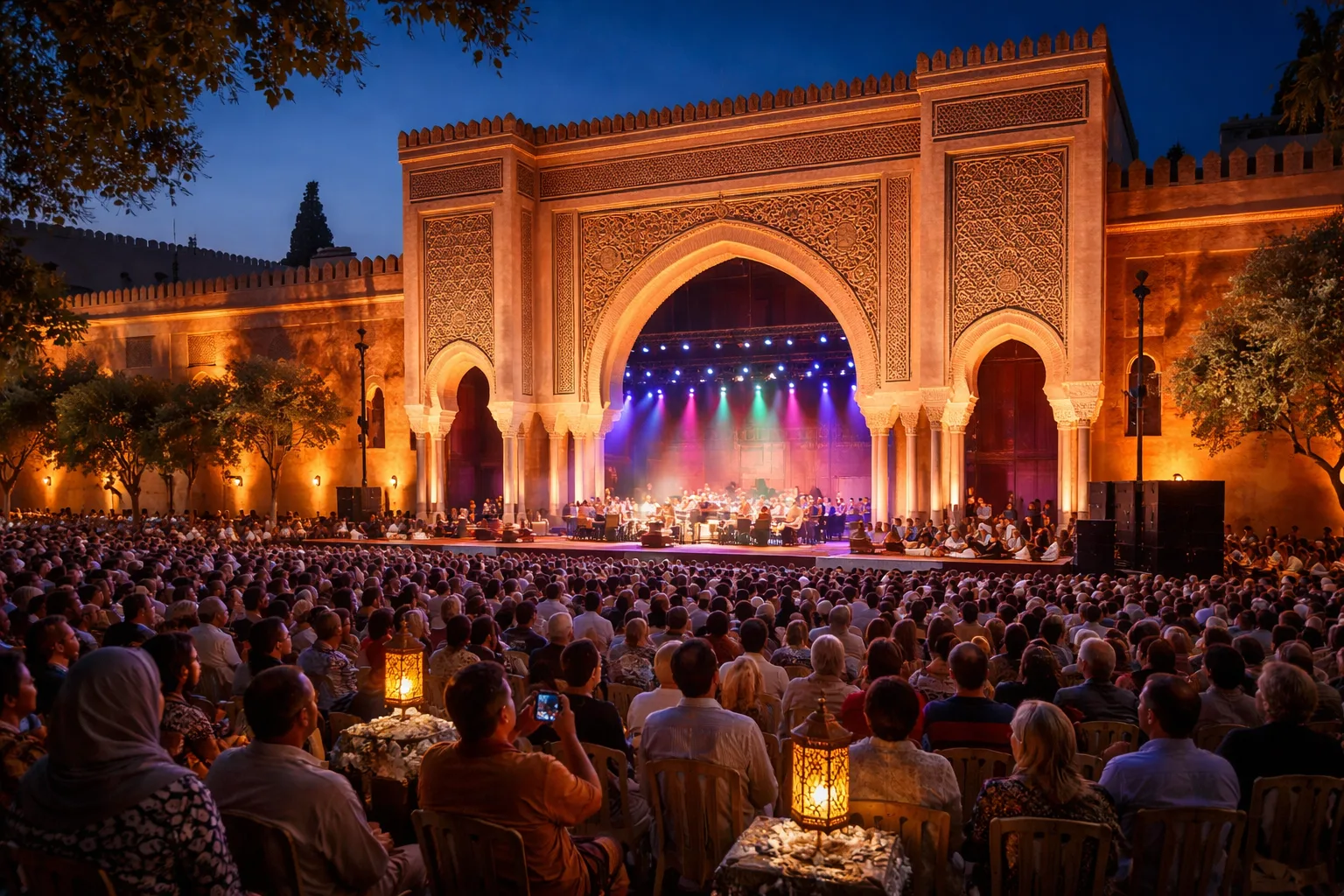
Introduction: Morocco’s Signature Festival in the Summer 2026 Spotlight
Morocco has no shortage of celebrations, from regional moussem gatherings to major music and arts events that fill its cities with color, rhythm, and collective joy. Yet when travelers ask what is the most popular festival in Morocco, one name consistently rises above the rest: the Fes Festival of World Sacred Music. Held in one of the country’s most atmospheric imperial cities, it blends music, heritage, spirituality, and cultural dialogue in a way few festivals anywhere in the world can match.
For travelers planning summer 2026, this festival deserves serious attention. More than a concert series, it is an experience woven into the ancient soul of Fes itself: historic venues, moving performances, medina wanderings, and moments of connection that feel both intimate and global. If your Morocco itinerary leans toward culture rather than pure beach time, this is the kind of event that can shape your entire trip.
| Key point | Quick takeaway |
|---|---|
| Festival to know | The Fes Festival of World Sacred Music is Morocco’s standout cultural festival for international visitors. |
| Why it matters | It combines sacred music, intercultural dialogue, and the unforgettable setting of historic Fes. |
| When to plan | If you are traveling during the summer season 2026, build your Fes stay around the early June festival dates. |
| Best for | Travelers who want culture, music, architecture, and a deeper connection with Morocco. |
| What to book early | Accommodation in or near the medina, plus festival tickets once your preferred performances are available. |
| Extra idea | You can extend the cultural journey with other Moroccan festivals later in June and July. |
Why the Fes Festival Still Leads Morocco’s Cultural Calendar
The Fes Festival emerged in 1994 with a mission that still feels unusually powerful today: using music as a bridge between cultures, faiths, histories, and worldviews. That founding idea helps explain why the event has gained such an international reputation. It is not built only around entertainment. It is built around meaning. Visitors come not just to hear performances, but to experience how music can create a meeting point between traditions that might otherwise seem far apart.
This is also what makes the festival feel larger than a single city event. The Fes Festival of World Sacred Music has long been associated with dialogue, openness, and artistic excellence. In practice, that means you may find Moroccan Sufi music sharing emotional space with African sacred traditions, Andalusian influences, devotional singing, spiritual jazz, or classical forms rooted in other parts of the world. The result is a festival atmosphere that feels refined, contemplative, and genuinely international.
Its home city makes the experience even stronger. There is a reason Fes is famed for its magnificent medina. The city offers exactly the kind of historical depth that gives the festival emotional weight. When you spend your day walking through carved doors, madrasas, artisan quarters, and narrow lanes alive with centuries of memory, the evening performances feel less like isolated events and more like an extension of the city’s living heritage.
What Makes It Especially Worthwhile for Summer 2026 Travelers
For many international visitors, the biggest challenge when planning Morocco is choosing what kind of trip they want. Some travelers prioritize coastlines and surfing. Others focus on desert camps, mountain trekking, or city hopping between imperial capitals. The Fes Festival offers something different: a cultural anchor. It gives structure to an itinerary while also elevating it. Instead of simply “visiting Fes,” you arrive when the city is charged with performances, creative exchange, and a deeper sense of occasion.
That is particularly valuable in summer 2026, when many travelers will be trying to balance major sights with memorable experiences that feel truly local and distinctive. A festival can turn a good destination into a trip-defining one. In Fes, that means mornings spent exploring historic neighborhoods, afternoons discovering craft traditions and hidden courtyards, and evenings shaped by music in atmospheric venues that make the entire city feel like a stage.
The 2026 edition is also appealing because it gives visitors a clear reason to prioritize Fes over a rushed stop. Too many Morocco itineraries treat the city as a quick checkbox between Chefchaouen, Marrakech, and the Sahara. During festival time, slowing down becomes the better choice. Staying for several nights lets you experience not only the performances but also the shifting rhythm of the city before and after them.
What to Expect from the 2026 Edition
The 2026 festival edition gives travelers a timely new angle. Rather than treating the event as a timeless abstract cultural celebration, this year’s edition can be approached as a specific, seasonal reason to visit Fes. That matters because the practical side of travel planning becomes easier when dates are known and when a cultural event can shape the rest of your route through Morocco.
For this year’s edition, visitors can expect the familiar strengths that made the festival famous: high-caliber performances, a thoughtful atmosphere, a mix of Moroccan and international artists, and venues that add as much magic as the music itself. Large public settings and more intimate spaces each offer a different mood. One moment may feel ceremonial and grand, the next reflective and personal. That range is part of the charm.
The festival is also ideal for travelers who prefer cultural depth over nonstop logistics. You do not need to race across Morocco every day to feel that your trip is full. In Fes, the combination of performances, architecture, artisan culture, food, and street life creates a layered experience without demanding constant movement. You can spend one part of the day inside the medina, another in a beautiful historic venue, and another sharing a meal while the city softens into evening.
Because schedules, artist details, and ticket preferences can influence accommodation choices, it is wise to plan early. The most convenient stays are typically riads or hotels that allow easy access to the old city and to the main performance areas. That way, you can move between concerts and sightseeing without turning each transfer into a logistical puzzle.
The Festival Experience Beyond the Stage
One of the strongest reasons this event stands out is that the experience does not begin and end with the performance itself. Fes rewards slow discovery. Between festival moments, you can browse artisan workshops, admire centuries-old architecture, enjoy long Moroccan meals, and absorb the pace of a city that feels dramatically different from Morocco’s coastal centers and resort destinations.
This is the kind of setting where cultural experiences naturally extend your stay. You may join tea ceremonies, seek out traditional craftsmanship, or simply wander with no strict plan and let the city unfold one turn at a time. Fes is not a destination that works best when over-managed. It works best when you allow room for surprise.
That said, practical awareness still matters. Respect for local customs will make your visit smoother and more rewarding. Dress modestly, greet people politely, and remember that a culturally rich trip often becomes more memorable when you approach it with curiosity rather than performance. Festival travel is not just about attending. It is about participating respectfully in a place that already has its own rhythm and dignity.
Other Morocco Festival Dates to Know After Fes
If the Fes Festival becomes your main cultural stop, you can still build a broader festival-themed Morocco itinerary around it. Later in the same season, Essaouira hosts the Gnaoua and World Music Festival, while Marrakech is scheduled to welcome the National Festival of Popular Arts. For travelers with flexible routes, that creates an appealing sequence: Fes for sacred and spiritual music, Essaouira for Atlantic energy and world fusion, and Marrakech for Moroccan folklore in a more performance-driven urban setting.
That makes this summer especially tempting for travelers who want culture to drive their route rather than treating events as an afterthought. Even if you only attend one festival, knowing the wider calendar can help you shape a stronger itinerary and avoid missing standout dates that fit naturally into a Morocco trip.
Practical Tips for Attending the Festival in Fes
Accommodation is the first thing to sort out. Fes has options for different budgets, but if your priority is atmosphere and convenience, a riad in or near the medina can significantly improve the experience. You will be closer to the character of the city and more immersed in the festival mood. If you prefer easier car access and a quieter base, staying just outside the old city can also work well, especially if you do not mind short transfers.
Next comes pacing. Fes is beautiful, but it is not always effortless. The medina’s lanes are uneven, visually dense, and wonderfully disorienting. Comfortable walking shoes are essential. So is the ability to avoid overscheduling. Leave breathing room between your daytime explorations and evening events. You will enjoy the city much more if you treat it as a place to absorb rather than conquer.
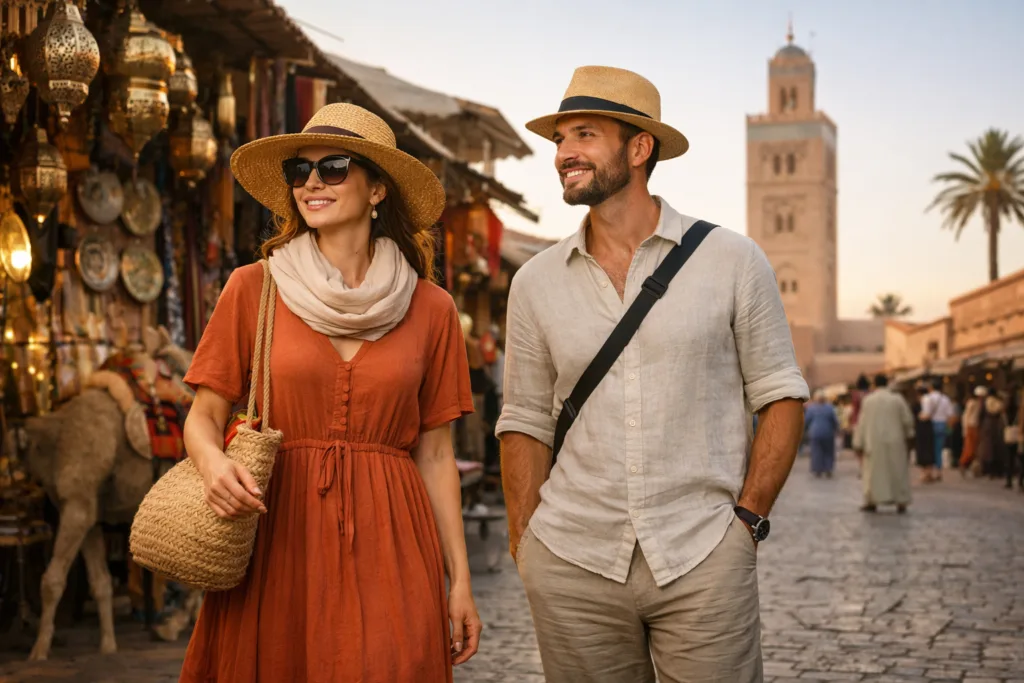
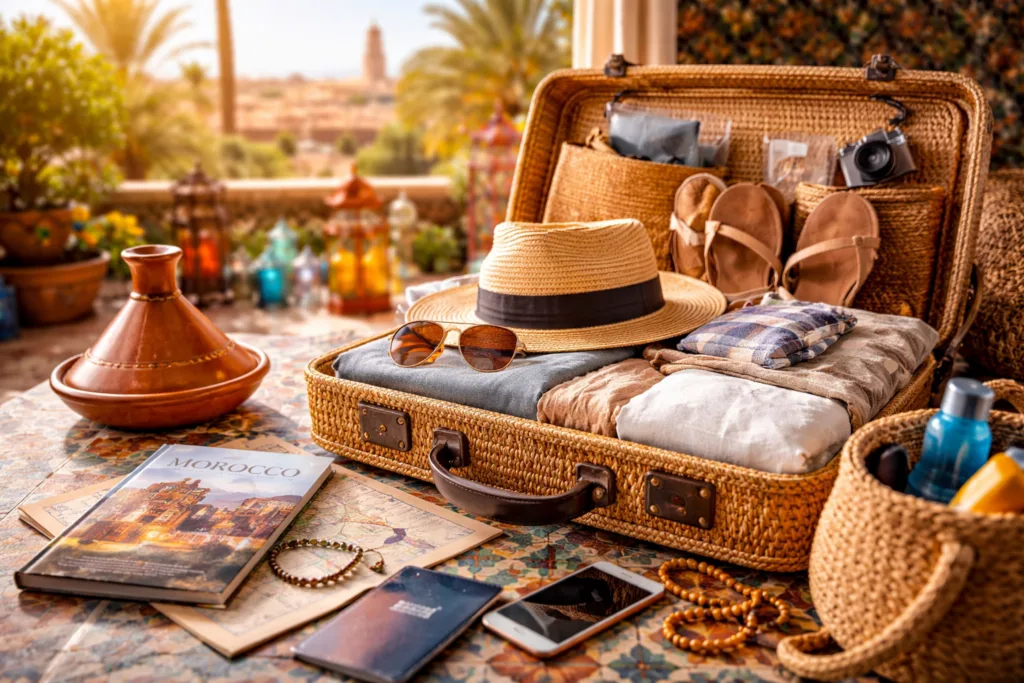
As for clothing, modest and breathable is the smartest combination. Think light fabrics, shoulders and knees reasonably covered, and layers for evenings if you are sensitive to cooler air after sunset. A scarf or light layer can be useful, not only for changing temperatures but also for entering more traditional spaces comfortably. Sunglasses, sun protection, and a reusable water bottle are practical additions, especially if your daytime schedule includes extended medina walks.
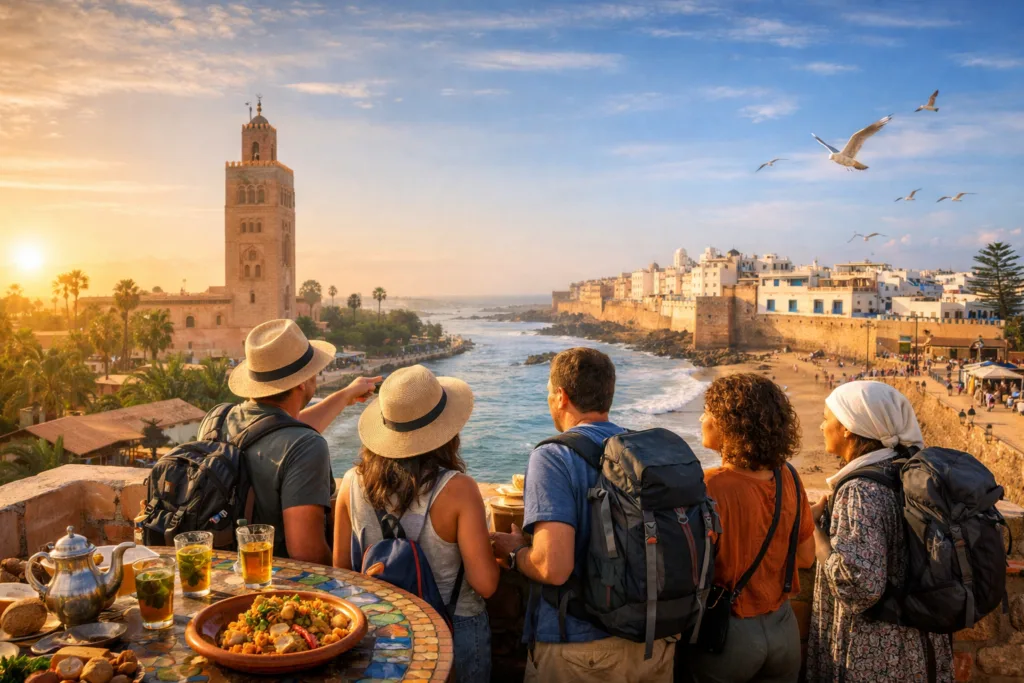
Finally, do not reduce the trip to ticketed moments alone. One of the best parts of attending a festival in Morocco is letting the city around it matter just as much. Build time for rooftops, courtyards, traditional meals, and unplanned pauses. The strongest travel memories often happen in the space between the official highlights.
Conclusion: Why This Festival Belongs on Your Morocco Trip
The Fes Festival of World Sacred Music remains Morocco’s most compelling answer to travelers seeking a festival that is not only popular, but meaningful. It combines artistic excellence, intercultural richness, and one of the most extraordinary urban settings in the country. For travelers who want more than sightseeing, it offers a reason to experience Morocco through sound, memory, and shared emotion.
If you are shaping a Morocco itinerary for summer 2026, this is the kind of event that can turn your trip from interesting to unforgettable. Plan ahead, give Fes enough time, and use the festival as a gateway into the city’s deeper layers. And before you leave this page, subscribe to our newsletter below with your email address to receive more Morocco travel inspiration, practical tips, and seasonal updates straight to your inbox.
Subscribe to Our Morocco Travel Newsletter
Get fresh travel tips, destination ideas, and seasonal Morocco updates delivered to your inbox.
Frequently Asked Questions (FAQ)
What are the exact dates of the Fes Festival of World Sacred Music in summer 2026?
The 2026 edition is scheduled for early June, specifically from June 4 to June 7, 2026. If you want to attend performances and still enjoy the city at a relaxed pace, it is wise to stay in Fes for several nights around those dates.
Is this festival a good choice for first-time visitors to Morocco in summer 2026?
Yes. It is an excellent cultural entry point for first-time visitors who want a meaningful experience rather than only ticking off landmarks. The festival pairs beautifully with time in the medina, local food discoveries, and broader travel through Morocco.
What kind of performances should I expect at the festival?
You can expect a mix of sacred, spiritual, and heritage-rooted performances from Morocco and abroad. The festival is known for bringing together artists from different traditions in a program that emphasizes beauty, dialogue, and cultural resonance rather than commercial spectacle.
Do I need to book tickets and accommodation in advance for the summer season 2026?
Yes. Even if you plan a flexible trip, it is smart to book accommodation early and secure tickets once the schedule and performances you want are available. Staying near the medina or convenient transport routes can make the overall experience far smoother.
What should I wear to the festival in Fes during summer 2026?
Choose breathable, modest clothing and comfortable walking shoes. Light layers are useful for evenings, and sun protection is important for daytime sightseeing. Respectful, practical clothing will help you feel at ease both at performances and while exploring the city.
Can I combine the Fes Festival with other Moroccan festivals later in summer 2026?
Yes. Travelers who want a festival-focused itinerary can continue on to the Gnaoua and World Music Festival in Essaouira later in June and the National Festival of Popular Arts in Marrakech in early July, creating a rich cultural route through Morocco.
Is the festival only for music specialists or spiritual travelers?
Not at all. While it certainly appeals to music lovers and culturally curious travelers, it is also rewarding for visitors who simply want a memorable atmosphere, beautiful venues, and a deeper understanding of Morocco’s openness to artistic exchange.
Can I still enjoy Fes if I only attend one or two festival events?
Absolutely. Even attending a small part of the program can enrich your trip. The wider value comes from pairing the performances with medina walks, artisan discoveries, traditional meals, and the city’s extraordinary historical setting.
Is Fes worth prioritizing over a quick stop during the festival period?
Yes. During the festival period, Fes works best as a destination where you stay and absorb rather than rush through. Giving the city several days allows you to enjoy both the event itself and the atmosphere that surrounds it.