
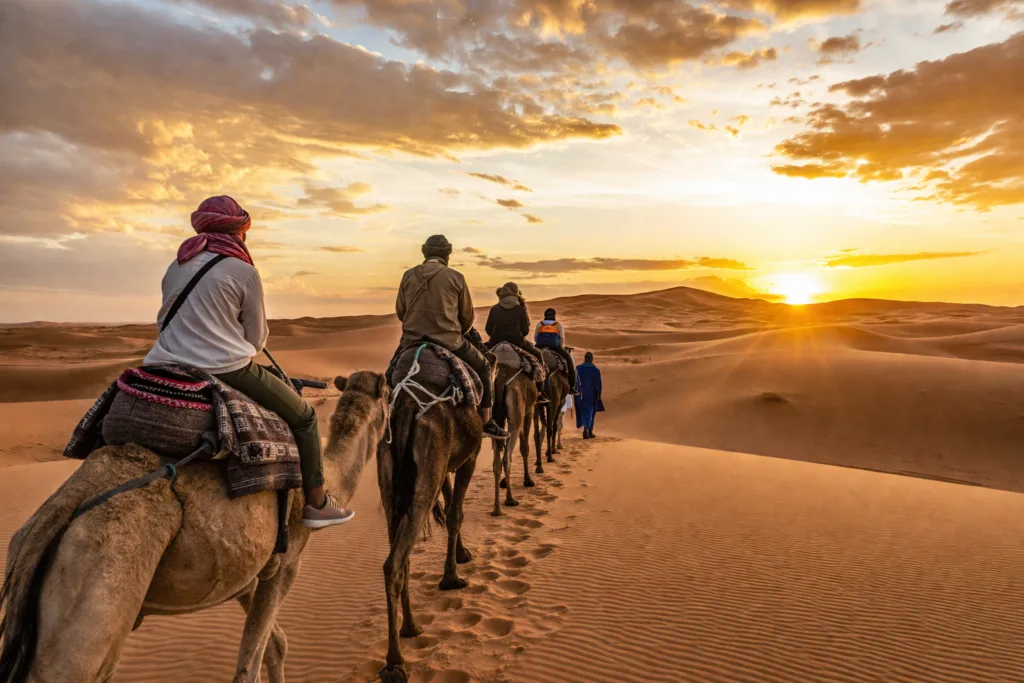
For summer 2026, camel trekking in Morocco’s Sahara remains one of the country’s most memorable travel experiences, but it works best when you plan around the rhythm of the desert rather than trying to conquer it. The magic is still there: slow camel caravans, sculpted dunes, silence at sunset, dinner under the stars, and the feeling that time has widened around you. What changes in summer is the pace. Smart departures, the right camp, and realistic expectations make the difference between a demanding excursion and a deeply rewarding desert adventure.
This guide is designed for international travelers who want to enjoy the Moroccan Sahara with confidence. You will find the best trekking bases, the main route options, what an overnight ride actually feels like, how to choose a camp, what to pack, and how to make the experience comfortable, culturally respectful, and worth the journey.
| Key point | Quick takeaway |
|---|---|
| Best bases | Merzouga and Erg Chebbi are the most practical for classic dune-and-camp experiences; Zagora is easier to combine with shorter itineraries. |
| Best daily rhythm | For the summer season 2026, sunset departures, overnight camps, and early-morning returns are the most comfortable pattern. |
| Trek length | A sunset ride with one overnight stay suits most travelers better than a long multi-day camel crossing in hot-weather conditions. |
| Camp style | Standard camps feel more rustic and atmospheric; luxury camps usually offer larger tents, better bedding, and more privacy. |
| What to pack | Loose long layers, closed shoes, sun protection, a scarf, water, lip balm, and a power bank are the essentials. |
| Who it suits | Couples, photographers, first-time desert visitors, and travelers looking for a cultural overnight rather than an extreme expedition. |
The Cultural Meaning Behind Camel Trekking in Morocco
A camel trek in the Sahara is not just a scenic ride arranged for tourists. It also echoes older patterns of movement across southern Morocco, where desert travel depended on patience, local knowledge, and animals adapted to distance, sand, and heat. That is part of what makes the experience feel so different from a jeep excursion or a viewpoint stop: riding a camel slows the journey enough for you to notice the silence, the contours of the dunes, and the vastness that defines the desert.
For many visitors, this cultural layer is what turns the trek from a photo opportunity into something much more memorable. You are not simply passing through the landscape. You are entering it at a pace that feels closer to the historic logic of the place.
Camels in Amazigh Desert Culture
Across Morocco’s desert edge, local life has long been shaped by oasis agriculture, trade routes, seasonal movement, and strong family traditions tied to the land. Camels were central to desert mobility because they could move where wheeled transport could not. Even though modern roads and vehicles changed that reality, camel trekking still carries symbolic weight. It connects travelers to an older desert identity rooted in endurance, hospitality, and adaptation.
When you book with a good local operator, that heritage is often felt in small details: tea shared before departure, stories told around the fire, music after dinner, or the way guides read wind, terrain, and light with quiet confidence. These are the moments that make a trek feel grounded rather than staged.
From Caravan Memory to Modern Desert Adventure
The Sahara was never only a backdrop. It was part of a larger network of exchange linking oasis settlements, caravan towns, and routes extending far beyond Morocco. Riding out from villages near the dunes still hints at that older geography. The transition from road to sand, village to open horizon, and noise to near-total quiet is one of the strongest emotional shifts travelers experience in the Moroccan South.
That is why the best treks are rarely the fastest. A successful desert experience is about timing, atmosphere, and feeling connected to place, not covering the most distance.
What to Expect on a Sahara Camel Trek
Most travelers imagine a sweeping cinematic ride across giant dunes, and that image is not wrong, but the reality is more textured. Camel trekking is slower, bumpier, quieter, and more physically unusual than many first-time visitors expect. The best treks this summer are the ones built around comfort: late-afternoon departure, time to watch the dunes change color, an overnight stay in camp, and an early start the next morning before the strongest heat sets in.
How Long Should Your Trek Be?
You do not need a multi-day expedition to feel the desert’s impact. For most travelers, the sweet spot is a sunset camel ride followed by one night in camp. That format gives you the visual drama people come for, plus the emotional high points of the experience: golden-hour riding, a desert dinner, music under the stars, and sunrise over the dunes.
Longer treks can still be rewarding, especially for experienced adventure travelers, but they are a more serious physical commitment. If your priority is atmosphere rather than endurance, one night is often the better choice.
Riding Through the Dunes
Riding a camel is not difficult, but it can feel awkward at first. The mount and dismount are the most dramatic moments because the animal rises and kneels in stages. Once the caravan begins moving, the motion becomes more rhythmic. Closed shoes, long trousers, and a relaxed posture help a great deal.
The visual experience is the real reward. From camel height, the desert opens slowly: ridgelines catch the light, footprints disappear behind you, and the horizon feels almost endless. The stillness is part of the attraction. In many cases, the silence is what visitors remember most.
Sunset, Stars, and Sunrise
If you only remember three moments from a desert trek, they will probably be these: the light softening as the sun drops, the deep quiet after nightfall, and the first glow across the sand at dawn. Those three phases give the Sahara its emotional depth. Sunset brings warmth and drama, night brings scale and stillness, and sunrise gives the landscape a calm, almost fragile beauty.
That sequence is the reason overnight camel treks remain so popular. A daytime ride without camp can be pleasant, but it rarely delivers the same sense of immersion.
Top Camel Trekking Routes in the Moroccan Sahara
The most famous gateway is The Merzouga Desert, which remains the classic base for travelers who want high dunes, easy organization, and a wide range of camps and trekking options. Other routes, including Zagora and Erg Chigaga, offer different balances of accessibility, remoteness, and scenery.
Merzouga
Merzouga is the best-known base for camel trekking in Morocco, and for good reason. It is practical, well established, and visually impressive. Many travelers arrive by private transfer, organized tour, or self-drive journey through the southeast. Once there, the transition into the dunes is immediate, which makes logistics easier than in more remote desert zones.
Merzouga is ideal if this is your first desert experience, if you want a broad choice of camps, or if you value reliable organization. It is also a strong choice for photographers, couples, and short-stay visitors who want the iconic Sahara image without overcomplicating the trip.
Erg Chebbi Dunes
Erg Chebbi is the dune field most travelers picture when they imagine the Moroccan Sahara. Its tall, sculpted sands deliver the classic desert look: flowing ridges, warm tones, and a dramatic sense of scale. This is where many of the best-known sunset rides and overnight camps operate, from simple bivouacs to more comfortable luxury setups.
If your dream is to walk up a dune barefoot at dawn, photograph long ridgelines, or sleep in a tent with the dunes visible just beyond camp, Erg Chebbi is often the right answer.
Zagora Desert
Zagora is often chosen by travelers who want a desert experience but have less time. It can fit more easily into itineraries from Marrakech or Ouarzazate, and it works well for people who want the atmosphere of the South without committing to a longer transfer all the way to Merzouga. The landscape around Zagora is different from the classic high-dune spectacle of Erg Chebbi, but it still offers beautiful light, desert silence, and rewarding camp experiences.
It is a practical option for travelers balancing several regions in one trip and looking for a shorter desert interlude rather than the most iconic dune scenery.
Erg Chigaga
Erg Chigaga is the wilder alternative. Reaching it usually involves more complex logistics, often including 4×4 access, but the reward is a stronger sense of remoteness. It attracts travelers who prefer fewer visible camps, more space, and a more off-grid atmosphere.
If you already know you want something less polished and more remote, Erg Chigaga can be an excellent fit. It is not necessarily the easiest first desert experience, but it can be the most memorable for those drawn to quiet and scale.
Exploring Desert Camps
A desert camp is where the trek becomes a full experience rather than a simple ride. The camp shapes your evening, your sleep, your dinner, and your dawn. Choose it carefully, because your guide and your tent matter almost as much as the dunes themselves.
The Berber Tent Experience
Even when camps are built for tourism, the best ones still preserve a strong sense of desert atmosphere. Tents are often styled with woven textiles, carpets, lantern light, and seating arranged for tea or conversation. Some camps feel intimate and traditional. Others lean more toward boutique comfort. Neither is automatically better; it depends on your travel style.
If you want authenticity with reasonable comfort, look for camps that feel small, locally hosted, and well reviewed for hospitality rather than only for decoration.
Traditional Meals and Music
One of the pleasures of staying overnight is the evening rhythm after the ride. Dinner is often generous and warming, with familiar Moroccan flavors served in a relaxed setting. Afterward, many camps gather guests around the fire for tea, conversation, and traditional music. When it is done naturally and not rushed, this part of the night can feel just as memorable as the trek itself.
For many visitors, the fire-circle atmosphere creates the emotional center of the experience. The desert stops being a landscape to observe and becomes a place you briefly inhabit.
Sleeping Arrangements in the Desert
Standard camps tend to offer a simpler setup, often with shared facilities or more basic room finishes. Luxury camps usually provide larger tents, proper beds, more privacy, and in some cases private bathrooms. Neither option changes the stars overhead or the silence outside your tent, but it does change how rested you feel the next morning.
If you are traveling with children, as a couple, or after a long road journey, paying a little more for better bedding and a calmer setup can be a smart decision.
Planning the Trek: Logistics, Comfort, and Common Mistakes
Because demand for the best camps can cluster around holiday periods, booking early for summer 2026 is sensible if you want a sunset departure, a smaller group, or a more comfortable tent category. Desert experiences are not all equal. A good operator plans timing well, communicates clearly, and makes the trek feel calm rather than hurried.
How to Get There
Most travelers reach the desert as part of a broader southern itinerary. Some come by organized multi-day tour from Marrakech or Fez. Others self-drive and stay near the dunes before beginning the trek. If you prefer flexibility, sleeping one night near your departure point before the camel ride can make the experience far more comfortable than arriving after an exhausting day on the road.
Build the trip around rest and timing. The desert should feel like the highlight of your journey, not the part you arrive at already drained.
How to Choose the Right Operator
Look beyond glossy photos. Read for comments about guide kindness, realistic pacing, camel handling, food quality, and how well the evening is organized. A beautiful tent means less if the trek feels rushed or poorly managed. Clear communication before arrival is a very good sign.
Ask practical questions: How long is the ride? Is water included? Are private tents available? What time do you depart and return? Is sandboarding included? Is luggage transferred separately? Good providers answer these clearly and without ambiguity.
Health, Pacing, and Comfort
The most common mistake is underestimating the desert climate. A trek is far more enjoyable when you stay hydrated, protect your skin, and accept that the goal is not to do more, but to do it well. If you are sensitive to heat, prone to motion discomfort, or traveling with older relatives, choose a shorter ride and a more comfortable camp rather than a more ambitious itinerary.
There is no shame in prioritizing comfort. In fact, it often leads to a richer experience because you remain present enough to enjoy it.
What to Pack for a Sahara Camel Trek
Packing well for the Sahara is less about carrying more and more about bringing the right things. Desert travel rewards simple, functional choices.
Essentials for the Ride and Camp
- Lightweight long sleeves and loose trousers for sun and sand protection
- Closed shoes or trainers rather than sandals
- A scarf or light shawl for wind and dust
- Sunglasses, sunscreen, and lip balm
- A reusable water bottle
- A small day bag for personal essentials
- A power bank and charging cable
- Basic medication if you use any regularly
How to Dress for Desert Conditions
Breathable clothing is better than very short or very tight clothing, not only for comfort but also for sun protection. Long, light layers work surprisingly well in the desert because they help reduce direct exposure. A light extra layer for night is still worth bringing, especially if you tend to feel cold after sunset.
Practical clothing usually beats “perfect outfit” thinking in the Sahara. You will enjoy the trek more when you feel protected, comfortable, and free to move easily when mounting, walking, or climbing dunes.
Photography Tips
Golden hour is everything in the desert. Keep your phone or camera easily accessible during the ride, because the best light often changes quickly. A protective pouch helps with sand, and a small microfiber cloth is useful for lenses. Sunrise and sunset are the moments to prioritize, while full midday light is usually the least flattering for dune photography.
Do not spend the whole trek behind a screen, though. The strongest desert memories are often the ones you did not photograph.
Positive Testimonials from Summer Travelers
Travelers who choose a well-organized desert camp in warmer months often describe the same highlights again and again: the emotional impact of riding at sunset, the surprise of how peaceful the dunes feel after dark, and the warmth of the welcome on arrival. Many say the camel ride feels symbolic at first, but becomes one of the defining memories of their Morocco trip once the silence, changing light, and scale of the landscape take over.
Another recurring point is camp comfort. Visitors regularly speak positively about kind hosts, comfortable beds, good evening meals, and the pleasure of hearing drums and local songs around the fire after dinner. Even travelers who expected something rustic often come away saying the camp felt more welcoming and restful than they imagined.
Perhaps the most consistent praise is reserved for dawn. Again and again, travelers describe sunrise over the dunes as the moment that made the long journey south feel entirely worthwhile. That combination of calm air, soft light, and open space is what turns a desert overnight from a tour into a real memory.
Conclusion
Sahara camel trekking is not the fastest way to experience Morocco, and that is exactly why it stays with people. It invites you to slow down, pay attention, and step into a landscape that feels larger than ordinary travel. Between the camel ride, the campfire, the night sky, and the sunrise, the experience offers a rare combination of adventure and stillness.
If you want one Moroccan memory that feels cinematic, grounded, and emotionally distinct this summer, this is the one to keep high on your list. Choose the right base, respect the climate, book a thoughtful operator, and let the desert set the pace.
Whether you choose Merzouga, Erg Chebbi, Zagora, or a more remote route toward Erg Chigaga, the Moroccan Sahara has a way of giving travelers something deeper than scenery. It gives them space, rhythm, and a story they will still be telling long after the journey ends.
Stay Inspired for Your Morocco Trip
If you enjoyed this guide, subscribe to our newsletter by entering your email address in the designated field at the bottom of the page. You will receive practical Morocco travel tips, fresh destination ideas, seasonal inspiration, and useful guides to help you plan a smoother and more rewarding trip.
FAQ
Is Sahara camel trekking a good idea in summer 2026?
Yes, it can be an excellent experience if you choose the right format. The most comfortable option is usually a late-afternoon ride with an overnight camp and an early return the next morning, rather than a long daytime trek.
What time of day is best for a trek during the summer season 2026?
Sunset departure is usually the best choice. It allows you to avoid the strongest daytime heat, enjoy the dunes in their most beautiful light, and settle into camp when the desert atmosphere becomes most magical.
Which desert base is best for first-time visitors?
Merzouga is usually the easiest and most rewarding starting point for first-time travelers. It offers access to the famous Erg Chebbi dunes, a wide choice of camps, and well-developed trekking logistics.
How long should I spend on a camel trekking experience?
For most travelers, one overnight experience is ideal. It gives you sunset, dinner in camp, time under the stars, and sunrise the next morning without making the trip feel overly demanding.
What should I wear for a desert trek?
For this summer, wear loose, breathable long layers, closed shoes, sunglasses, and strong sun protection. A scarf is also useful for wind and sand, and a light extra layer can still be welcome after dark.
Are desert camps comfortable enough for couples or families?
Yes. Many camps are well suited to couples and families, especially luxury options with better bedding, more privacy, and calmer evening setups. The key is choosing a camp with consistently strong reviews for hospitality and organization.
Should I book in advance or wait until I arrive in Morocco?
If you are traveling in summer 2026, booking in advance is usually the safer option, especially if you want a specific camp style, private tent, or sunset departure. Advance booking also gives you more time to compare operators carefully.