
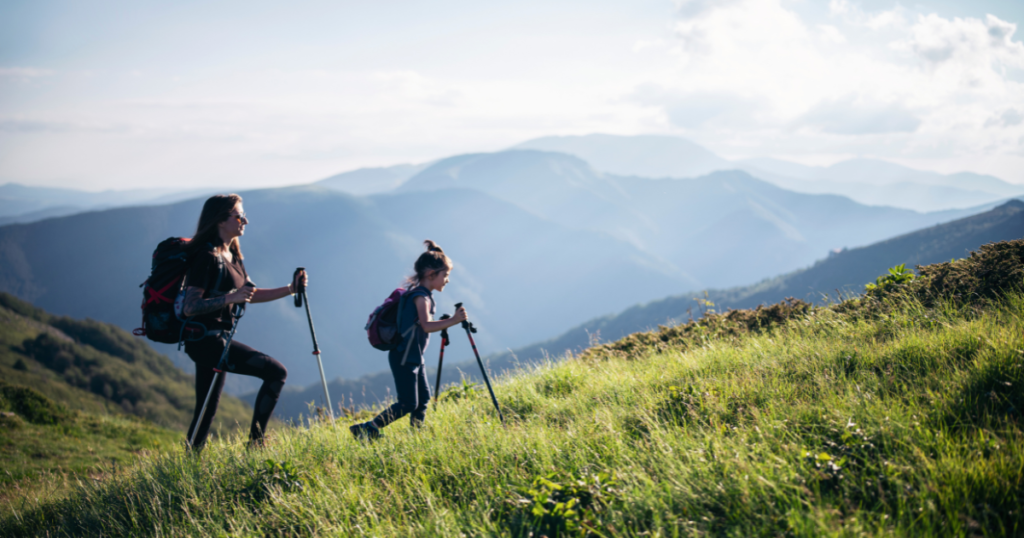
For summer 2026, hiking the Atlas Mountains stands out as one of the most rewarding ways to experience Morocco beyond its cities and coastlines. Just a relatively short transfer from Marrakech, the High Atlas opens onto a different rhythm of travel: cooler mornings, dramatic ridgelines, terraced valleys, walnut groves, and Amazigh villages where hospitality is still a living part of daily life rather than a staged attraction.
This is not a single trail or a single style of adventure. The Atlas is a broad mountain world with routes for day hikers, ambitious trekkers, families who want a scenic village walk, and experienced travelers drawn to higher-altitude routes such as Mount Toubkal. What makes the region so memorable is the way physical effort and cultural immersion naturally blend together. A walk here can include mule paths, panoramic passes, mint tea on a shaded terrace, and conversations that stay with you long after the hike itself.
If you are planning a Morocco itinerary built around nature, authenticity, and active discovery, the Atlas Mountains deserve a serious place on your shortlist. With good route selection, an early start, and the right gear, hiking here can become one of the defining experiences of your trip.
| Key Point | Quick Take |
|---|---|
| Best fit for travelers | Ideal for visitors who want landscapes, light adventure, village culture, and a break from city heat in summer 2026. |
| Top starting areas | Imlil for classic High Atlas treks, Ouirgane for gentler walks, and valley routes for scenic day hikes. |
| Difficulty range | From relaxed village-to-village walks to demanding summit days that require strong fitness and altitude awareness. |
| What makes it special | Huge scenery, Amazigh culture, local food, guesthouse stays, and a strong sense of place. |
| Smart planning tip | Start early, drink more water than you think you need, and choose your route according to fitness rather than ambition alone. |
Why Hike the Atlas Mountains?
The Atlas Mountains combine the kind of scenery travelers usually expect to find across several destinations at once. In a single region, you can move from dry, mineral slopes to fertile valleys, from scattered juniper and walnut trees to terraced fields and stone-built villages. The High Atlas is also home to Mount Toubkal, the highest summit in North Africa, which gives the region an added sense of scale and challenge.
Diverse Landscapes
One of the strongest reasons to hike here is visual variety. Even on moderate routes, the Atlas delivers long valley views, stepped farmland, river crossings, and striking ridgelines. On clearer days, the southern side of the mountains begins to feel drier and more open, creating a natural transition toward the landscapes many travelers associate with the Sahara Desert. For photographers, hikers, and travelers who simply want a break from urban tourism, the region feels expansive and alive.
Berber Culture Experience
The second major reason is cultural. Hiking in the Atlas is not just about ticking off viewpoints. It is also a way to enter Amazigh mountain life at a slower pace. You pass orchards, irrigation channels, village mosques, communal ovens, and guesthouses where meals are often simple, generous, and memorable. Many visitors come for the trails and leave talking just as much about the people they met, the tea they were offered, and the feeling of being welcomed into a lived-in landscape.
Popular Hiking Routes in the Atlas Mountains
The Atlas Mountains offer routes for very different travel styles, and choosing well matters more than choosing the hardest option. Some visitors want a demanding mountain objective, while others prefer a beautiful day walk with cultural stops and time to enjoy lunch in a village. The best route for you depends on your fitness, available days, and how much altitude you want to handle.
Toubkal Ascent
The Toubkal Ascent remains the signature objective for many trekkers. Most itineraries start from Imlil and are organized over two days, with an overnight stop before the summit push. This route appeals to travelers who want a genuine mountain experience rather than a casual walk. It is highly rewarding, but it should not be underestimated: altitude, steep gradients, and exposed sun can make it feel much harder than the distance alone suggests.
Azzaden Valley Trek
The Azzaden Valley is a favorite for travelers who want classic High Atlas beauty without turning the trip into a summit mission. The route passes village paths, terraced slopes, orchards, and high viewpoints that feel distinctly mountainous while still being accessible to strong casual walkers. It works especially well for people who want one to three days of trekking and a deeper sense of the region rather than a single peak-focused challenge.
Ouirgane National Park
Ouirgane is often one of the smartest choices for visitors who want a softer introduction to Atlas hiking. The scenery is greener, the gradients are often more forgiving, and the area suits half-day and full-day walks extremely well. Couples, families with active teenagers, and travelers combining mountains with a city stay in Marrakech often find Ouirgane more enjoyable than launching straight into a strenuous high-altitude plan.
Imlil Valley to Aremd
The Imlil Valley to Aremd walk is one of the most approachable and satisfying routes in the High Atlas. It gives first-time visitors a strong visual and cultural introduction to the region without the logistics of a multi-day trek. You get mountain scenery, village atmosphere, and enough elevation to feel the terrain change beneath you, while still keeping the day manageable. It is also an excellent acclimatization walk for travelers considering a longer trek afterwards.
The Best Time to Hike in the Atlas Mountains
Spring and autumn are still widely seen as the classic trekking seasons, but that does not mean the Atlas should be ruled out for warm-weather travel. The summer season 2026 rewards hikers who plan intelligently. Early mornings are your friend, shaded valley routes can be excellent, and higher areas often feel far more comfortable than Morocco’s hotter lowland cities at the same time of year.
Weather and Seasons
Summer hiking in the Atlas is really about timing and route choice. Midday heat can be demanding, especially on exposed ascents, but dawn starts and shorter walking windows make a major difference. If your priority is a pleasant cultural trek with scenery rather than a punishing mountain test, routes around Imlil, Ouirgane, and selected valley trails are often better choices than an overly ambitious summit schedule. Travelers who do aim for higher objectives should build in rest, hydration, and realistic pacing from the start.
Flora and Fauna
- Lower and mid-altitude routes can include walnut groves, fruit trees, cultivated terraces, and small irrigated plots that add texture and color to the walk.
- Higher routes feel starker and more mineral, but they still offer dramatic beauty, especially in the changing light of early morning and late afternoon.
- Wildlife spotting is never guaranteed, yet many hikers remember the birdlife, the silence, and the sense of stepping into a protected mountain environment rather than a crowded tourism zone.
For many travelers, the sweet spot is not “the hardest trail” but the route that lets them enjoy the mountain atmosphere without rushing, overheating, or turning the day into a struggle.
What to Expect on Your Atlas Mountain Hike
An Atlas hike feels different from a polished alpine resort experience. Trails can be rocky, dusty, steep, or uneven. Waymarking is not always the main feature, and villages remain part of the landscape rather than something separated from it. That is precisely why so many travelers find the experience memorable. It feels authentic, textured, and grounded in real daily life.
You should expect effort, but also rhythm: walk, stop, drink water, take in the view, continue, then sit down to tea or lunch with a new perspective on the landscape around you.
Terrain and Difficulty
Terrain varies widely. Some routes are essentially mountain walks on mule paths between villages, while others involve long elevation gains and thinner air. Difficulty is shaped by more than distance alone. Heat, altitude, exposure to the sun, and how used you are to hiking all matter. A traveler who comfortably walks all day in a city may still find a mountain ascent surprisingly demanding.
The safest approach is to choose one level below what your imagination tells you to book. You will usually enjoy the Atlas more by finishing strong and wanting another hike than by forcing a route that leaves you exhausted from the first hour.
Scenic Highlights
The scenery shifts constantly, and that is part of the thrill. One moment you may be looking at dry slopes and red earth, and the next you are crossing a greener pocket of valley life with trees, running water, and cultivated terraces. Mountain villages cling to the hillsides in a way that feels almost architectural, shaped as much by necessity as by beauty. Sunrise and sunset light are especially striking, giving the stone, dust, and ridges a warm, cinematic glow.
For many visitors, the real scenic highlight is not one single viewpoint but the steady unfolding of the landscape over several hours.
Local Berber Communities
Walking through Amazigh villages changes the feel of the trek. You are not moving through empty wilderness from start to finish; you are entering a human mountain landscape shaped by farming, trade, seasonal movement, and strong community ties. That means your behavior matters. Dress practically but respectfully, ask before photographing people, and keep a calm, courteous pace when passing homes and fields.
When you hike with that awareness, the experience becomes richer. Travelers often come away feeling that the Atlas offers one of the most grounded and human-centered forms of adventure in Morocco.
Berber Culture and Mountain Life
The cultural dimension of Atlas hiking deserves its own place because it is not simply a “bonus” attached to the landscape. It is central to the experience. The mountains are home to Amazigh communities whose traditions, architecture, agriculture, and hospitality shape what visitors actually see and feel on the trail.
Berber History and Traditions
Traditional village life in the Atlas developed in response to altitude, terrain, water availability, and the need for close-knit community support. That history still shows in stone houses, terraced farming, communal movement along valley paths, and a pace of life that feels markedly different from Morocco’s big urban centers. Even when tourism is present, many villages still retain a strong sense of continuity rather than performance.
For travelers, that means the hike can also become a way to understand how geography shapes culture. Food, homes, work rhythms, and even route choices are all connected to the mountain environment.
Berber Hospitality
- Tea stops and guesthouse meals often become the emotional highlights of the trek, not just practical breaks.
- Local guides add context that most visitors would completely miss if they walked through the villages without explanation.
- Simple gestures of welcome frequently leave a stronger impression than big headline sights, especially for travelers seeking a more meaningful connection with Morocco.
That combination of movement, landscape, and human warmth is what gives Atlas hiking its lasting appeal.
What Travelers Loved on Warm-Weather Atlas Hikes
The comments below compile recurring positive themes paraphrased from recent public traveler feedback about Atlas hikes, guides, and day treks.
- “The scenery felt bigger than expected.” Travelers repeatedly praise how quickly the landscape changes once they leave Marrakech behind, especially around Imlil and on higher viewpoints where the valleys open dramatically.
- “Good guides made the whole experience smoother.” Many visitors highlight the confidence they felt with knowledgeable local guides who set the pace well, shared mountain insights, and helped less experienced hikers enjoy the day without stress.
- “The cultural side made it more than a workout.” Tea with local families, lunch in village settings, and glimpses of everyday mountain life are often described as the moments that transformed a hike into a true travel memory.
- “It was one of the best breaks from the city.” Travelers frequently mention how refreshing it felt to exchange traffic and heat for mountain air, open views, and a slower pace, even on a relatively short day trip.
What to Pack for an Atlas Mountain Hike
Packing well is one of the easiest ways to improve your Atlas experience. You do not need a complicated expedition setup for most routes, but you do need gear that matches the terrain and the temperature swing between early morning, active walking hours, and later afternoon.
Weather-Appropriate Clothing
Light, breathable layers work best for most warm-weather hikes, but you should still carry an extra layer for higher areas or early starts. A sun cap, sunglasses, and a lightweight long-sleeved top are often more useful than travelers expect. Strong sun can be more draining than the incline itself, especially on exposed sections.
Hiking Gear Essentials
- Broken-in hiking shoes or boots with reliable grip
- Breathable socks and a small blister kit
- A daypack with water, snacks, sunscreen, and a light layer
- Trekking poles if you want extra support on rocky or downhill sections
- A basic first-aid kit and any personal medication
- A phone power bank if you are using maps, photos, or translation tools during the day
Pack for comfort rather than appearance. In the mountains, practical gear will always improve the day more than stylish luggage choices.
Guided Hikes vs. Solo Hiking in the Atlas Mountains
Both options exist, but they do not suit the same traveler. Solo hiking can appeal to experienced walkers who enjoy independence and already know how to manage navigation, pace, hydration, and changing conditions. Guided hiking, on the other hand, often gives visitors a fuller and safer experience with far less mental load.
Benefits of Hiring a Guide
A good local guide does more than point out the path. They help set a sustainable rhythm, explain village life, adjust the route if needed, and reduce the friction that can come with organizing transport, trail choices, and meal stops. For first-time visitors to the Atlas, that added confidence is often worth it even on easier routes.
Guides are especially valuable on higher or longer routes where fatigue, heat, and altitude can turn a simple planning mistake into a bad day.
Safety Considerations
If you are determined to hike independently, be conservative. Choose well-trodden routes, avoid overestimating your pace, and do not treat the mountains like an extension of city walking. The Atlas rewards confidence, but it punishes carelessness. For many international travelers, guided hikes strike the best balance between freedom, insight, and peace of mind.
Accommodation Options in the Atlas Mountains
Where you stay shapes the entire mood of your Atlas trip. The region offers everything from simple village guesthouses to comfortable lodges, and your best choice depends on whether you want authenticity, convenience, or a little of both.
Berber Guesthouses
Guesthouses are the natural fit for travelers who want immersion and warmth. They tend to be straightforward rather than luxurious, but that simplicity is often part of their appeal. Shared meals, terraces with valley views, and direct contact with local hosts can make these stays far more memorable than generic hotel nights.
Camping Options
Camping appeals to more adventurous trekkers, especially on multi-day routes. It offers a stronger sense of remoteness and a closer relationship with the landscape, though it also demands more organization and less dependence on comfort. For casual visitors, guesthouses usually provide a better balance.
Lodges and Hotels
Lodges and mountain hotels are a strong option if you want easier logistics, more private rooms, or a softer landing after a demanding hike. They can work particularly well for couples, mixed-ability groups, or travelers pairing one or two scenic hikes with a broader Morocco itinerary.
In every case, booking a place with clear access to your chosen trail area matters more than simply picking the “nicest” room online.
Hiking Safety Tips for the Atlas Mountains
Good mountain days are usually built on ordinary precautions taken seriously. In the Atlas, the biggest issues are often heat management, dehydration, overconfidence, and poor pacing rather than dramatic emergencies. If you are hiking this summer, treat preparation as part of the experience, not as a boring extra.
Hydration and Sun Protection
Drink regularly before you feel thirsty, and carry more water than you think you need. On exposed routes, sun can drain energy quickly even when the air feels pleasant at the start. Sunscreen, a hat, and a breathable long layer can be more important than travelers expect, particularly on climbs with limited shade.
Preparing for Altitude
Altitude is what often catches people off guard. You may feel strong at the trailhead and sluggish later in the day once elevation begins to stack up. Move steadily, avoid racing stronger hikers, and pay attention to headache, dizziness, or unusual fatigue. On higher objectives, an extra night and a slower approach can make the difference between enjoyment and discomfort.
There is nothing unadventurous about being cautious. In the Atlas, the smartest hikers are usually the ones who finish with energy, good memories, and enough enthusiasm to do it again.
Conclusion
Hiking the Atlas Mountains is one of Morocco’s richest travel experiences because it brings together effort, scenery, and culture in a way that feels natural rather than packaged. You do not need to be a mountaineer to appreciate it. You simply need to choose the right route, respect the terrain, and give the mountains enough time to reveal themselves.
If Morocco is on your list this summer, the Atlas deserves more than a passing mention. It can give you panoramic views, memorable walking days, and a deeper connection to the country than many faster-paced itineraries ever manage. Plan carefully, hike early, stay curious, and let the mountains set the tempo.
And when you are done planning your trek, subscribe to our newsletter by entering your email address in the designated field at the bottom of the page so you can receive more practical Morocco travel tips, inspiration, and seasonal updates.
FAQ
Is hiking the Atlas Mountains a good activity for international tourists in summer 2026?
Yes, for summer 2026 it can be an excellent activity if you choose the right route and start early. Valley hikes, moderate treks, and well-paced guided outings are usually the best fit for most visitors.
Are the Atlas Mountains too hot for hiking in summer?
Not necessarily. During the summer season 2026, higher-altitude areas and early-morning departures can make hiking very enjoyable. The key is to avoid the most exposed hours and not pick a route beyond your fitness level.
Do I need a guide for an Atlas Mountain hike?
A guide is not essential for every easy walk, but it is highly recommended for first-time visitors and for longer or higher routes. Guides add safety, local knowledge, and cultural context that greatly improve the experience.
Which Atlas hikes are best for beginners?
Imlil to Aremd and gentler walks around Ouirgane are strong beginner options. This summer, they make sense for travelers who want mountain scenery and village atmosphere without committing to a very demanding trek.
Can families or older travelers enjoy hiking in the Atlas Mountains?
Yes, as long as the route matches the group’s fitness and expectations. The Atlas is not only about summit attempts. Many visitors enjoy shorter scenic walks, tea stops, and cultural outings that still feel active without being extreme.
What should I wear for an Atlas hike in warm weather?
In summer 2026, wear breathable layers, reliable walking shoes, sun protection, and carry an extra light layer for cooler starts or higher elevations. Practical clothing matters much more than dressing for photos.
Is Mount Toubkal suitable for casual travelers?
Only some casual travelers will enjoy it. Toubkal is achievable for many fit hikers, but it is still a serious mountain outing with altitude and sustained effort. Travelers looking for a relaxed day in nature are often happier on valley routes.
What makes Atlas hiking different from other Morocco activities?
It combines physical activity with genuine cultural contact. This summer, many travelers will choose it because it offers scenery, movement, village life, and a refreshing change of pace from medinas, beaches, and city sightseeing.